7 Signs Your Ad Agency Is Wasting Your Budget
Spot bad marketing agency signs before budget is wasted. Learn the key ad agency red flags that signal performance issues and missed growth opportunities.

Paid media should create momentum. When strategy, creative, and data align, campaigns generate consistent growth and clear returns.
That does not always happen.
Many brands invest significant budget into agency partnerships and still struggle to see meaningful results. Reports may look polished, activity may appear high, and campaigns may remain active across channels. Yet performance stalls, costs rise, and revenue impact stays unclear.
Recognizing bad marketing agency signs early helps protect budget and refocus strategy. The issue is not always effort. In many cases, it is a lack of alignment, weak execution, or an overreliance on outdated approaches.
These seven signs highlight when an ad agency is not delivering the level of performance required for sustainable growth.
Quick Takeaways
- A focus on vanity metrics often hides weak performance and limited revenue impact
- Poor transparency in reporting prevents clear evaluation of campaign effectiveness
- Lack of creative testing limits scalability and long-term growth
- Static targeting strategies reduce efficiency over time
- Weak alignment between media and business goals leads to wasted budget
- Slow optimization delays performance improvements and increases costs
- Agencies that cannot explain strategy clearly often lack a strong foundation
1. Reporting Focuses on Activity Instead of Outcomes
High impression counts and click-through rates can create the appearance of progress. These metrics provide context, but they do not show whether campaigns contribute to revenue.
Strong performance marketing ties activity to outcomes. This includes pipeline impact, customer acquisition cost, and return on ad spend.
When agencies highlight surface-level metrics without connecting them to business results, it becomes difficult to evaluate effectiveness. This disconnect often signals deeper issues in strategy or execution.
Brands should expect clear reporting that links campaign performance to measurable growth. This means understanding not only what happened, but why it happened and what actions will follow. Without that level of clarity, reporting becomes a summary of activity rather than a tool for decision-making.
2. There Is Limited Transparency Into Spend and Performance
A lack of visibility into how budget is allocated creates risk. Brands need to understand where spend is going and how each channel contributes to results.
Warning signs include:
- Vague reporting across platforms
- Limited access to ad accounts
- Inconsistent data across reports
Transparent agencies provide direct access to platforms and share detailed breakdowns of performance. This allows teams to validate results and make informed decisions.
Without transparency, it becomes difficult to identify inefficiencies or optimize effectively. It also limits accountability. If teams cannot clearly see how decisions are made, they cannot assess whether those decisions align with business goals or performance expectations.
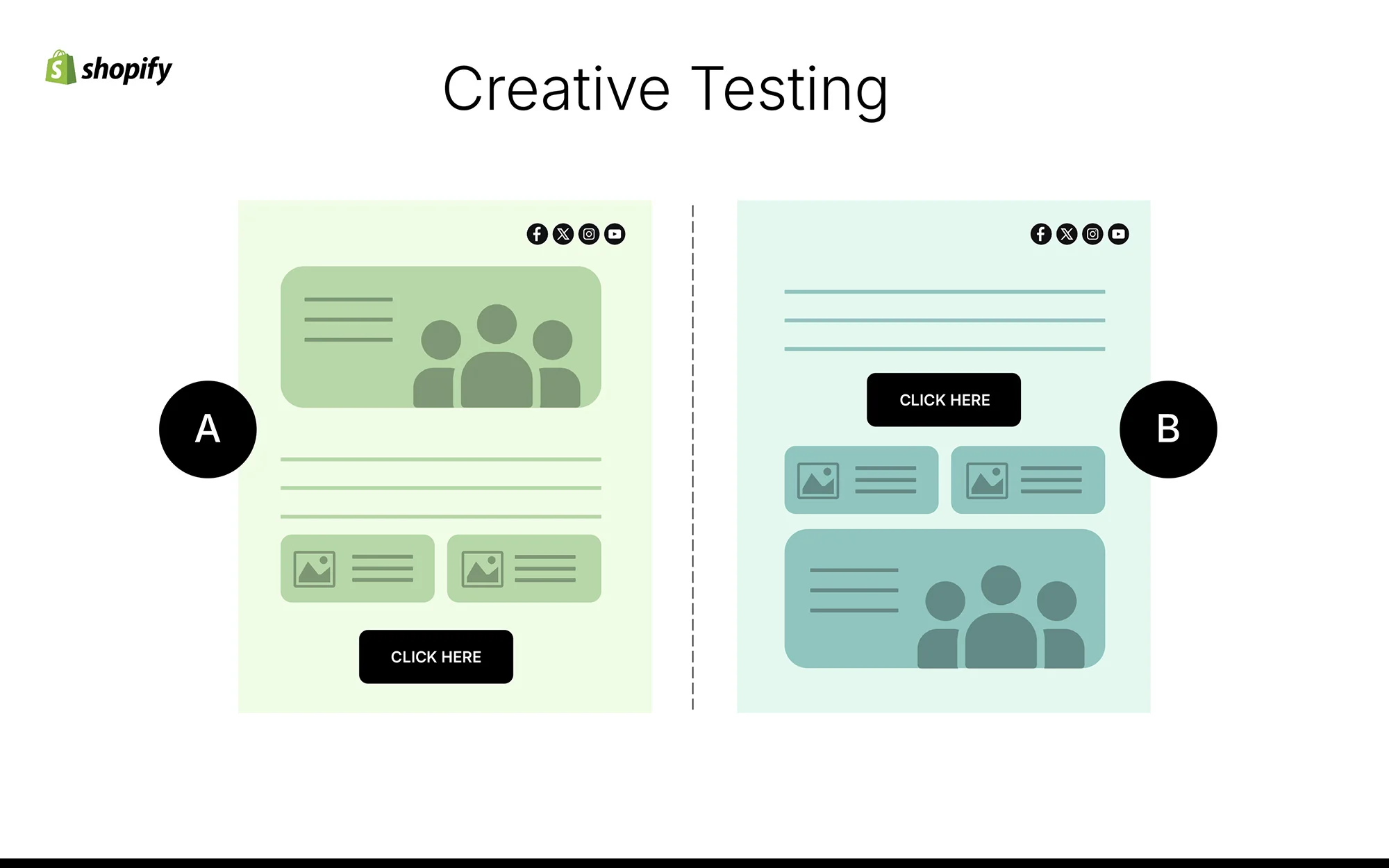
3. Creative Testing Is Inconsistent or Minimal
Creative drives performance. Without ongoing testing, campaigns lose effectiveness over time.
Agencies that rely on a small set of creatives often struggle to scale. Performance plateaus because new variations are not introduced to maintain engagement.
Effective agencies treat creative as a continuous process. This includes:
- Testing multiple concepts and formats
- Iterating based on performance data
- Aligning creative with audience insights
Limited testing signals a reactive approach rather than a structured strategy. Over time, this leads to audience fatigue, declining engagement, and higher acquisition costs. Consistent testing helps uncover what resonates and supports sustained growth.
4. Targeting Strategies Remain Static
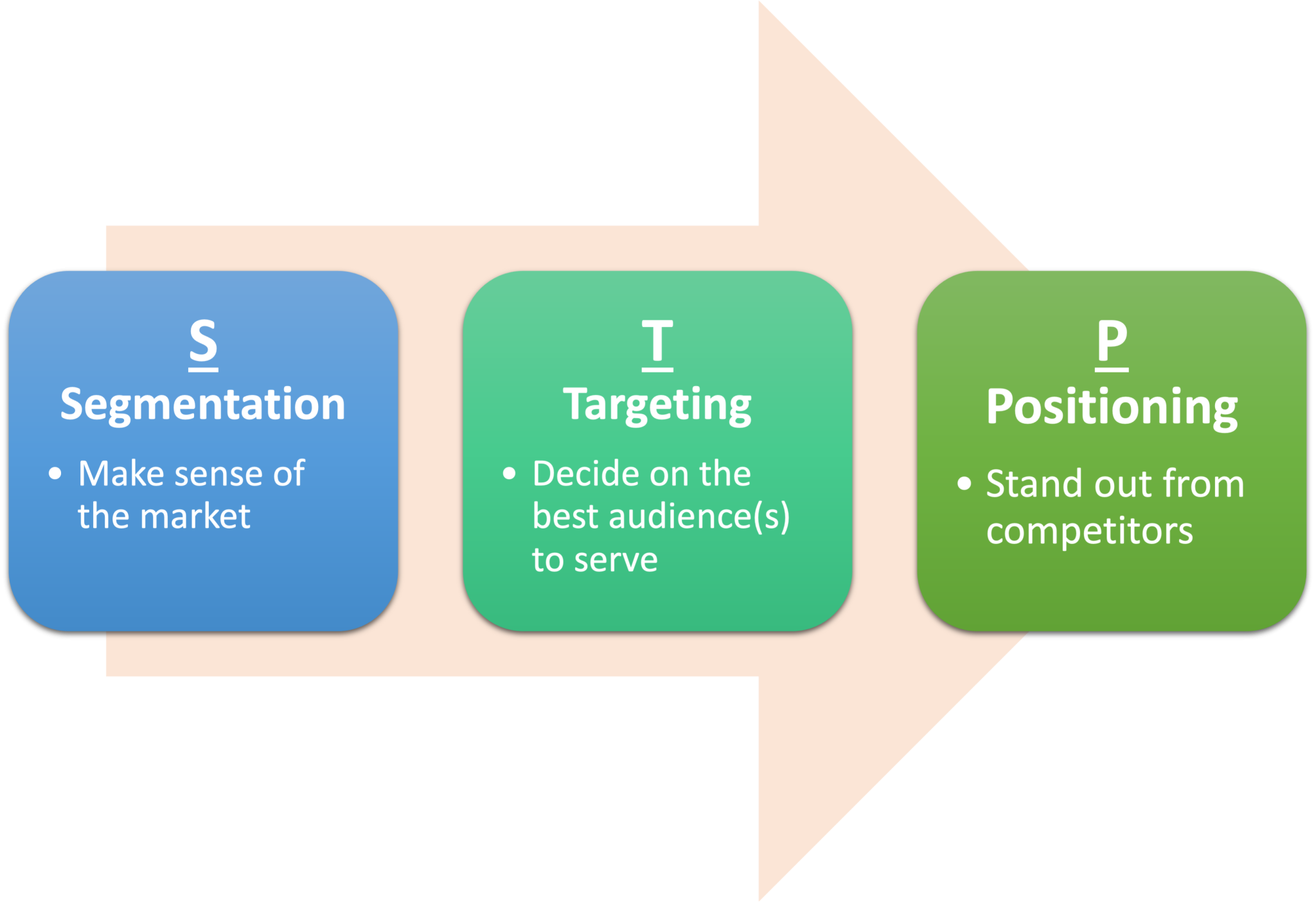
Audience behavior changes over time. Targeting strategies must evolve to reflect these changes.
Static targeting reduces efficiency. Campaigns may continue to reach the same audiences without expanding into new segments or refining based on performance.
Strong agencies regularly evaluate targeting and adjust based on data. This includes testing new audiences, refining segments, and leveraging platform insights.
Failure to adapt targeting strategies often leads to rising costs and declining returns. It also limits growth potential, as campaigns fail to reach new, qualified audiences that could improve overall performance.
5. Optimization Cycles Are Slow
Paid media requires continuous optimization. Delays in adjusting campaigns can quickly impact performance.
Signs of slow optimization include:
- Long gaps between performance reviews
- Delayed adjustments to underperforming campaigns
- Reactive changes instead of proactive improvements
Efficient agencies monitor campaigns closely and make timely adjustments. This helps maintain performance and prevent wasted spend.
Slow optimization suggests limited oversight or inefficient processes. It can also indicate that teams are stretched too thin or lack a clear framework for prioritizing changes, both of which impact results over time.
6. Strategy Is Not Clearly Defined
A strong strategy guides execution. Without it, campaigns lack direction and consistency.
Agencies should be able to explain:
- Target audiences and positioning
- Channel selection and budget allocation
- Expected outcomes and measurement approach
When strategy remains unclear, it often results in fragmented campaigns and inconsistent performance.
Clear strategy aligns all aspects of paid media and supports long-term growth. It also creates a shared understanding between teams, making it easier to evaluate performance and adjust direction when needed.
7. Performance Does Not Improve Over Time
Consistent performance without improvement can signal stagnation. While stability may seem positive, paid media should evolve and scale.
Indicators of stagnation include:
- Flat or declining return on ad spend
- Rising customer acquisition costs
- Limited expansion into new channels or audiences
Effective agencies focus on continuous improvement. They identify opportunities for growth and adjust strategies accordingly.
A lack of progress suggests that campaigns are not being actively optimized or refined. Over time, this results in missed opportunities to scale and an increasing gap between potential performance and actual results.
Why Agency Accountability Matters
Agency accountability plays a central role in paid media performance. Clear expectations, transparent reporting, and consistent communication create a foundation for success.
Brands should establish defined metrics and review performance regularly. This ensures that agencies remain aligned with business goals and can adjust strategies as needed.
Accountability also supports stronger collaboration. When both sides share responsibility for outcomes, campaigns are more likely to deliver meaningful results. It also creates a feedback loop that helps refine strategy and improve execution over time.
Strengthen Paid Media Performance Today with Monkedia
Recognizing bad marketing agency signs helps protect budget and improve outcomes. Agencies that focus on transparency, strategy, and continuous optimization create stronger results over time.
Monkedia helps brands scale paid media through a balance of data, creative, and predictive insight. By focusing on sustainable growth and measurable outcomes, Monkedia supports teams looking to expand performance without sacrificing ROAS.