Creative Is the New Targeting: A Framework for Scalable Growth
Creative is the new targeting in paid ads. Learn how to build a scalable creative testing framework that drives sustainable growth without sacrificing ROAS.


Targeting alone does not unlock scale. As paid media budgets grow, audience precision becomes less predictive of performance. Platforms optimize delivery automatically, and interest stacks or micro-segmentation provide less incremental leverage. Performance depends on message-market alignment.
Creative determines whether expanded audiences convert efficiently. It influences click-through rate, engagement depth, and downstream signal quality. When creative resonates, algorithms receive stronger feedback loops. When it misses, scale becomes expensive.
Creative functions as a filtering mechanism. Brands that treat creative as a structured performance system outperform brands that treat it as periodic campaign development. Scalable growth requires disciplined creative testing, increased message diversity, and alignment with buyer motivations across funnel stages.
Quick Takeaways
- Creative is the primary performance lever in modern paid ads, influencing engagement, signal strength, and scalable growth.
- A structured creative testing framework for paid ads enables disciplined experimentation and measurable iteration.
- Creative velocity must increase as budgets increase to maintain efficiency across broader audiences.
- Sustainable paid ads creative strategy aligns messaging, signal architecture, and funnel progression to support scale.
Why Creative Is the Primary Performance Lever in Paid Ads
Automation has standardized much of audience discovery. Platforms dynamically allocate spend, expand reach, and adjust bids using behavioral data. As a result, incremental targeting refinements produce diminishing impact at scale.
Creative influences performance more directly.
Creative shapes engagement, click behavior, conversion rate, and post-click actions. These behaviors feed optimization models. Strong creative generates stronger signals. Weak creative produces ambiguous data that limits optimization efficiency.
When budgets increase, platforms extend delivery to broader audiences. Creative determines whether those expanded segments convert profitably. Message clarity, value articulation, and objection handling carry more weight than granular interest layering.
A disciplined paid ads creative strategy increases persuasion across diverse buyer segments. That persuasion supports scale.
The Limits of Audience-First Scaling
Many brands attempt to solve performance plateaus by adjusting audience parameters. They test new interests, expand lookalikes, or segment narrower behavioral groups. These adjustments can create short-term variation, but they rarely produce sustained growth if creative remains static.
As spend grows, high-intent audience pools thin. Broader segments require stronger messaging to convert. Targeting changes cannot compensate for creative fatigue or weak positioning.
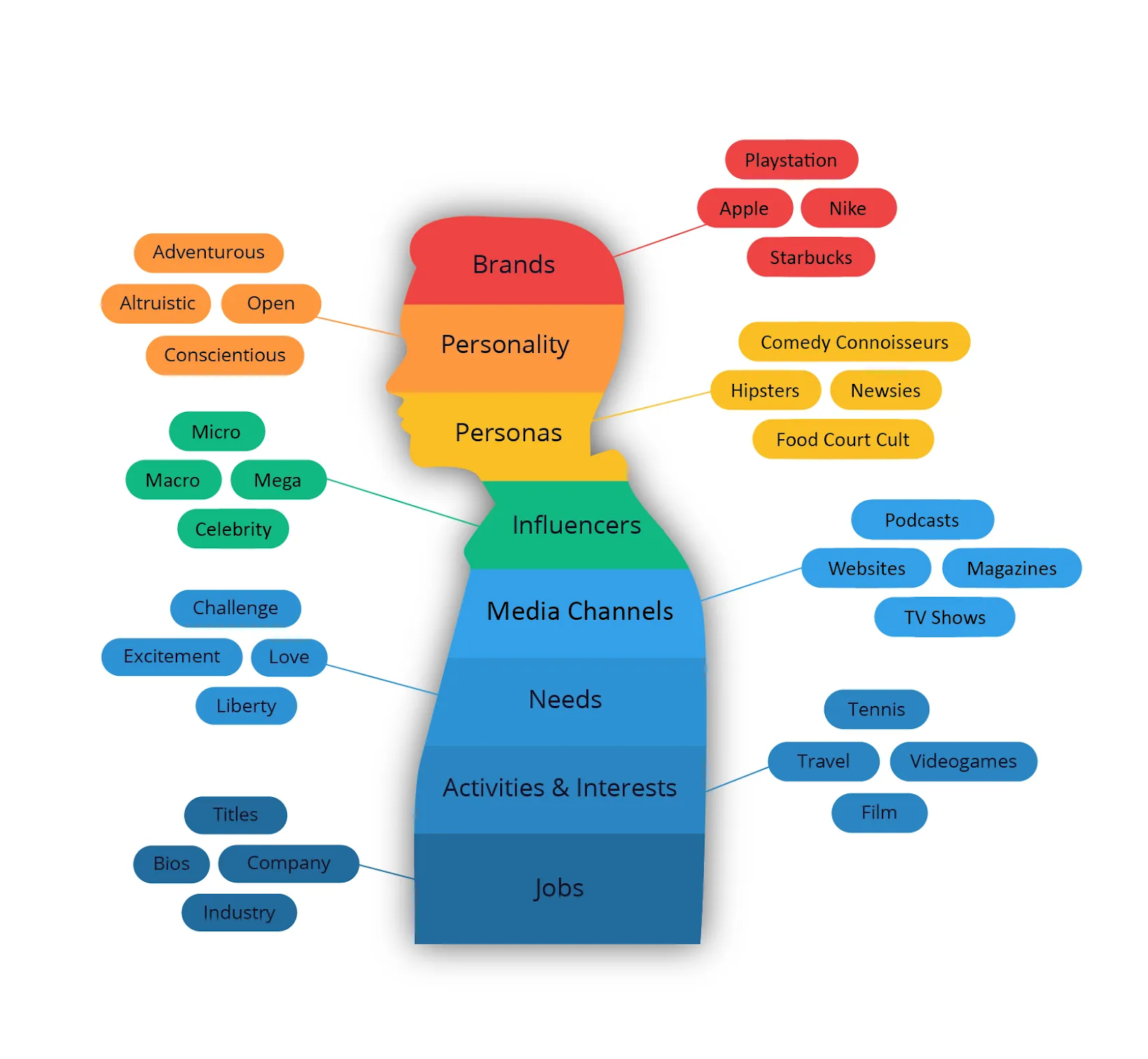
Scaling without strengthening creative capacity increases cost pressure. Conversion rates soften, customer acquisition cost rises, and efficiency compresses.
Creative capacity determines how far audience expansion can extend before performance declines.
Building a Creative Testing Framework for Paid Ads
Creative-led growth requires structure. Isolated experiments or occasional refreshes cannot support scale. A creative testing framework establishes repeatable experimentation and measurable iteration.
An effective creative testing framework for paid ads includes:
- Defined messaging pillars aligned with buyer motivations
- Variations across hooks, formats, and visual styles
- Controlled testing lanes to isolate variables
- Consistent evaluation criteria tied to performance signals
Testing must be deliberate. Each variation should answer a specific hypothesis. Creative development should respond to performance data rather than intuition.
Velocity also matters. As budgets grow, creative volume must increase proportionally. Higher frequency and broader reach require expanded message diversity to maintain engagement.
A structured framework ensures creative evolves in parallel with spend.
Designing Creative Tests Around Buyer Psychology
A creative testing framework gains leverage when it maps directly to buyer motivations rather than surface-level variations.
Many brands test visuals or formats without clearly defining what behavioral response they are attempting to influence. Structured testing begins with a clear hypothesis tied to persuasion.
Effective hypothesis categories often include:
- Problem awareness
- Desire amplification
- Objection handling
- Social proof reinforcement
- Urgency activation
Each creative variation should target one of these persuasion dimensions. When testing aligns with psychological drivers, performance data becomes directional rather than ambiguous.
For example, if objection-handling creative consistently outperforms aspirational messaging in broader audiences, the signal indicates conversion friction rather than awareness limitations.
This level of clarity allows creative systems to inform positioning, not just ad rotation. Creative-led growth becomes a strategic feedback loop rather than a content production cycle.
Creative-Led Growth Strengthens Signal Quality
Creative influences optimization through behavior.
When ads generate higher engagement and stronger post-click interaction, platforms receive clearer data. That clarity improves delivery efficiency.
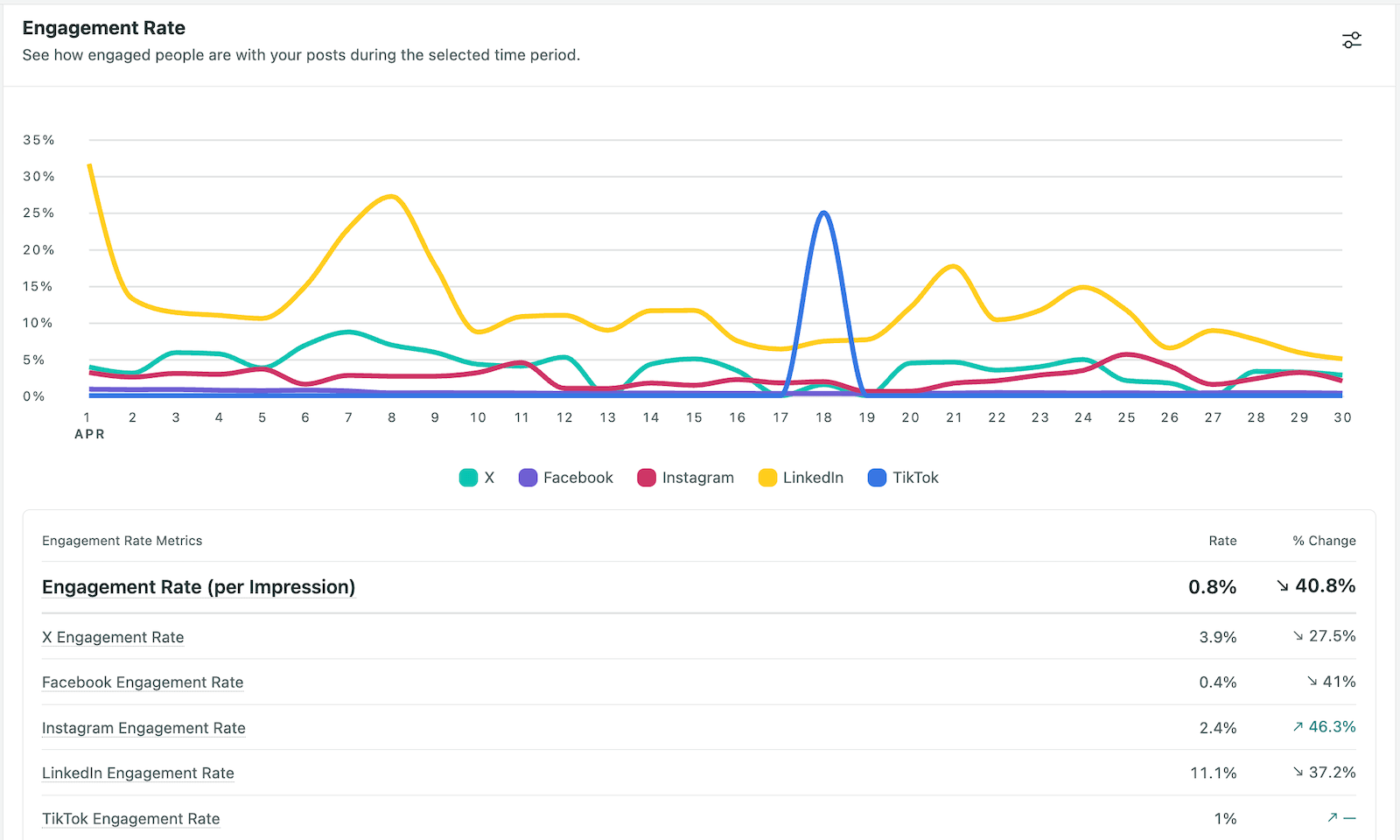
Signal strength depends on:
- Clear value propositions
- Cohesive messaging from ad to landing page
- Reduced friction within the conversion path
- Consistent event tracking
Creative and signal architecture operate together. Persuasive messaging drives higher-quality traffic. Clean tracking captures performance accurately. Consolidated campaign structures increase learning density.
Scaling paid ads without losing ROAS depends on maintaining this alignment.
Creative Volume Must Expand With Budget
Budget expansion increases exposure. Exposure increases frequency. Frequency increases creative fatigue.
Without expanded messaging angles, repetition reduces engagement. Declining engagement affects click-through rate and cost efficiency.
Brands pursuing creative-led growth plan for this dynamic in advance. They map buyer objections, motivations, and emotional drivers. They build creative assets around these dimensions before increasing spend.
Creative becomes infrastructure.
When infrastructure expands alongside budget, performance stabilizes across broader audiences.
Operationalizing Creative Strategy Across the Funnel
Creative testing extends beyond top-of-funnel acquisition.
Different funnel stages require distinct messaging:
- Awareness creative introduces problem recognition.
- Consideration creative addresses objections and proof.
- Conversion creative reinforces urgency and differentiation.
Testing should account for funnel stage and buyer awareness level. Performance metrics vary accordingly. Click-through rate, conversion rate, and assisted revenue each provide insight at different points in the journey.
A cohesive paid ads creative strategy aligns creative assets with funnel progression. This alignment strengthens overall efficiency and supports blended performance.
Creative Systems Support Sustainable Scale
Creative-led growth does not eliminate data discipline or structural optimization. It integrates them.
Strong creative systems:
- Increase engagement density
- Improve signal clarity
- Support audience expansion
- Reduce reliance on targeting micro-adjustments
As budgets scale, these systems maintain performance stability. Efficiency reflects message relevance rather than audience narrowing.
Creative serves as the primary lever for scalable persuasion.
Creative Is the New Targeting
Creative drives signal quality, signal quality supports optimization and optimization enables scale. Brands that build structured creative testing frameworks expand performance capacity. They increase message diversity, align creative with funnel stages, and measure outcomes at the business level.
Scaling ads without losing ROAS requires disciplined creative systems supported by clean data and structural clarity.
Monkedia helps brands scale paid media through a balance of data, creative, and predictive insight. By focusing on sustainable growth and measurable outcomes, Monkedia supports teams looking to expand performance without sacrificing ROAS.