How Brand Storytelling Improves Paid Media Efficiency
Learn how brand storytelling marketing improves paid media efficiency, increases engagement, and drives stronger ROAS.


Paid media performance often comes down to efficiency. Lower costs, stronger returns, and consistent results over time. Most strategies focus on targeting, bidding, and budget allocation. Creative tends to follow a predictable pattern: product shots, promotional copy, and a clear call to action.
That approach can generate results early on. Over time, performance starts to decline. Costs rise. Engagement drops. Creative needs constant replacement just to maintain the same output. The issue usually isn’t the platform or the audience. It’s the lack of depth in the message.
Brand storytelling marketing introduces that missing layer. It gives your ads context, continuity, and a reason for people to pay attention beyond a single offer. Instead of repeating isolated messages, you build a narrative that carries across campaigns.
That shift changes how audiences respond. It also changes how platforms interpret and distribute your ads. Stronger engagement signals lead to better delivery, which directly improves efficiency.
When storytelling becomes part of your paid media strategy, performance stops relying on constant resets and starts building momentum.
Quick Takeaways
- Brand storytelling marketing strengthens paid media efficiency by improving engagement and lowering acquisition costs
- Storytelling in paid ads helps extend creative lifespan and reduces the need for constant refreshes
- Emotional branding in ecommerce encourages stronger connection and repeat behavior
- Narrative-driven campaigns generate better platform signals, improving delivery and reach
- Consistent storytelling allows performance to build over time instead of restarting with each campaign
Why Performance-Only Creative Starts to Break Down
Most paid media strategies begin with a clear focus on conversion. The goal is straightforward: show the product, highlight the value, and drive action.
Early on, this works. Audiences are fresh, the message feels new, and platforms reward the engagement.
Over time, performance starts to flatten. The same creative gets shown to the same audience segments repeatedly. Even with testing, the variations tend to look and feel similar. The result is predictable: declining click-through rates, rising costs, and shorter creative lifespans.
This pattern is often labeled as ad fatigue, but the root issue goes deeper. The creative lacks dimension. Each ad operates as a standalone message with no connection to anything before or after it.
Without a broader narrative, every campaign depends on immediate conversion. That creates constant pressure to replace underperforming ads rather than improving the system behind them.
Brand storytelling marketing changes that structure. Instead of isolated creative, you build continuity. Each ad becomes part of a larger sequence, which gives audiences a reason to stay engaged beyond a single interaction.
How Storytelling Improves Paid Media Efficiency
Efficiency in paid media is closely tied to how audiences respond. Strong engagement leads to better delivery, lower costs, and more consistent results.
Storytelling strengthens these signals in a few key ways.
First, it increases attention. Ads that feel like part of a story hold interest longer than ads focused only on a transaction. Viewers are more likely to watch, click, and interact when they understand the context behind what they’re seeing.
Second, it improves relevance. Platforms prioritize content that generates meaningful engagement. When storytelling drives higher interaction rates, algorithms interpret that as value and distribute the ad more effectively.
Third, it reduces wasted spend. When audiences connect with the message, fewer impressions are required to generate results. That efficiency compounds over time, especially across larger campaigns.
Instead of relying on constant optimization at the targeting level, storytelling improves performance at the creative level. That shift tends to produce more stable results.
Extending Creative Lifespan Through Narrative
One of the biggest challenges in paid media is how quickly creative loses effectiveness. Teams often cycle through new assets every few weeks just to maintain baseline performance.
Storytelling slows that cycle down.
A narrative framework allows you to build variations that feel connected rather than repetitive. Each piece of creative can highlight a different part of the story while maintaining a consistent tone and message.
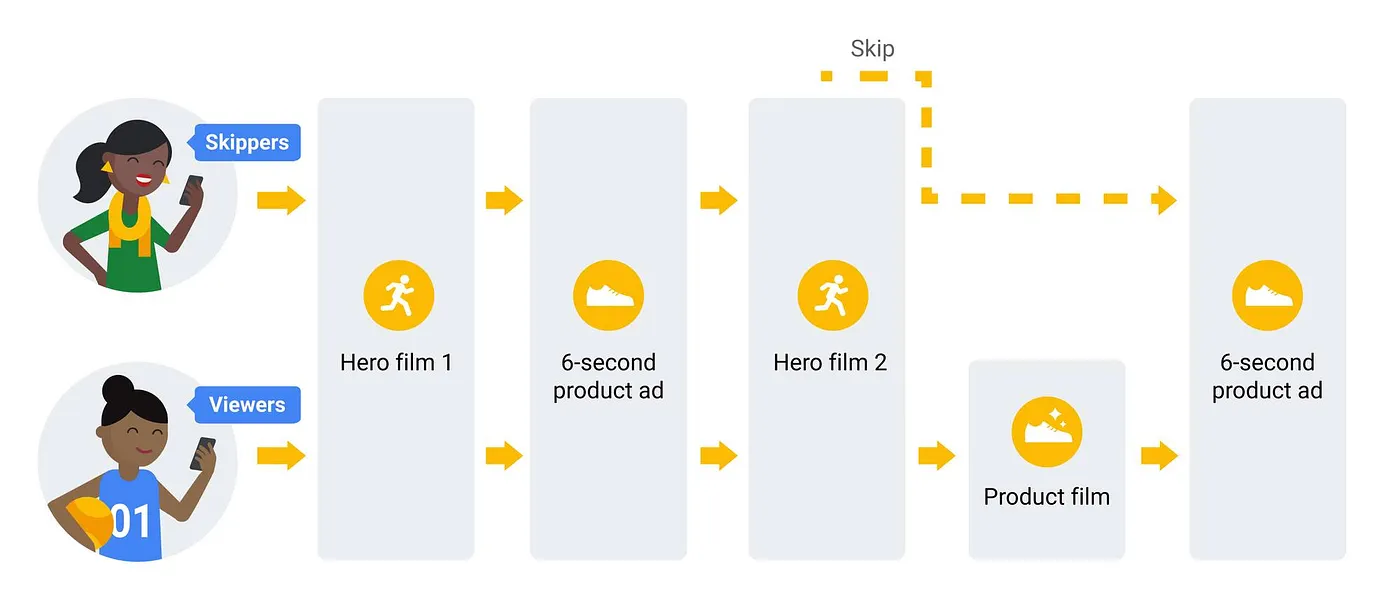
For example, instead of running multiple versions of the same product-focused ad, a brand can introduce:
- A problem-driven entry point
- A behind-the-scenes look at the product
- Customer experiences or outcomes
- A stronger conversion-focused message later in the sequence
These assets work together instead of competing with each other. Audiences who see multiple touchpoints gain familiarity, which increases the likelihood of conversion.
This approach also reduces creative burnout on the production side. Teams can develop structured campaigns instead of constantly starting from scratch.
The Role of Emotional Branding in Ecommerce Performance
In ecommerce, purchase decisions are rarely driven by logic alone. Even when the product is practical, the decision still carries an emotional component.
Emotional branding in ecommerce gives your paid media a stronger foundation.
Storytelling allows you to communicate more than features or price. It highlights identity, values, and experience. That makes your ads more memorable and easier to differentiate in crowded feeds.
When emotional connection is present, a few important things happen:
- Customers engage more frequently with your ads
- They spend more time considering your product
- They return to your brand instead of converting once and disappearing
This behavior directly impacts efficiency. Retargeting becomes more effective. Conversion rates improve. Customer lifetime value increases.
Without emotional context, paid media relies heavily on discounts and urgency to drive action. With storytelling, the brand itself becomes part of the value.
Building a Story-Driven Paid Media Strategy
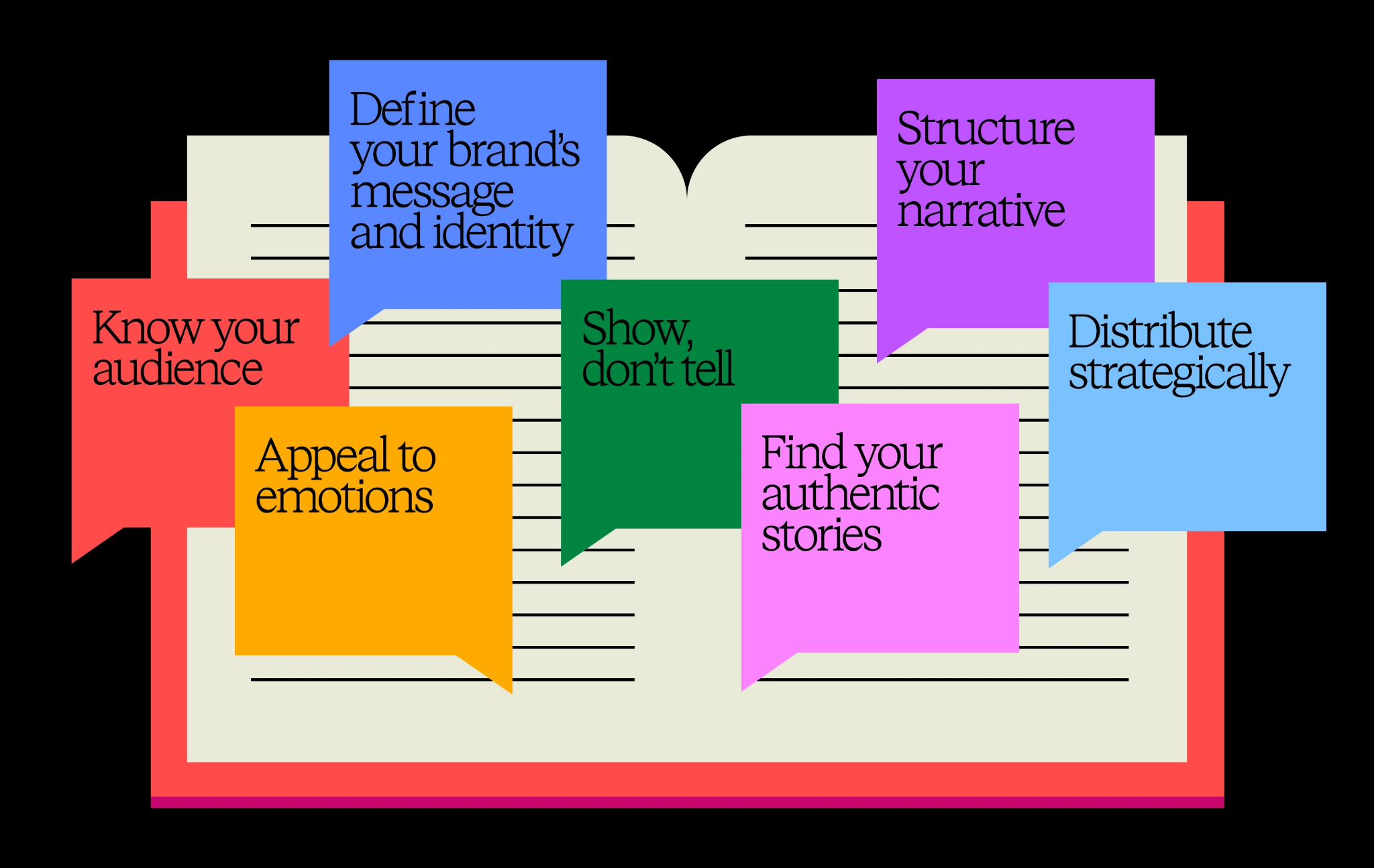
Integrating storytelling into paid media requires structure. It is not about making ads longer or more dramatic. It is about creating alignment across campaigns.
A strong approach typically includes three layers.
The first layer is the core narrative. This defines what the brand stands for and how it connects to the audience. It should remain consistent across all channels.
The second layer is campaign structure. Instead of launching isolated ads, campaigns are built as sequences. Each stage introduces new information while reinforcing the overall story.
The third layer is creative variation. Individual assets are designed to support the narrative while testing different formats, hooks, and angles.
Execution still relies on performance data. The difference is that optimization happens within a clear framework rather than across disconnected pieces of creative.
This balance between structure and flexibility makes it easier to scale campaigns without losing consistency.
Why Storytelling Compounds Results Over Time
Many paid media strategies operate in short cycles. Launch, test, optimize, replace. Each new campaign resets performance and requires fresh learning.
Storytelling changes that dynamic.
When audiences recognize your message and understand your brand, each campaign builds on previous exposure. Engagement improves more quickly because the context is already established.
This compounding effect shows up in several ways:
- Faster ramp-up for new campaigns
- Higher engagement rates across returning audiences
- Improved efficiency in retargeting and conversion campaigns
Instead of treating each campaign as a separate effort, storytelling creates continuity. That continuity reduces friction and improves overall performance.
Over time, this approach leads to more predictable results and less reliance on constant creative turnover.
Build More Efficient Paid Media with Stronger Creative Direction Today with Monkedia
Paid media efficiency improves when your creative gives people a reason to engage.
Storytelling adds structure to your campaigns. It connects individual ads into a larger narrative that audiences recognize and respond to over time. That consistency leads to stronger interaction, more efficient delivery, and better overall performance.
Instead of relying on frequent creative turnover, teams can focus on evolving a clear story that continues to perform across formats and channels.
Monkedia helps brands scale paid media through a balance of data, creative, and predictive insight. By focusing on sustainable growth and measurable outcomes, Monkedia supports teams looking to expand performance without sacrificing ROAS.