How to Build a Conversion-Focused Website for Paid Traffic
Learn how to build a conversion-focused website for paid traffic in 4 simple steps. Master message match and CRO strategies to improve your conversion rates.


Step 1: Establish Message Match Between Ads and Landing Pages
Paid traffic is expensive, and most of it bleeds out before a visitor ever converts. The number one reason? A broken promise between your ad and your landing page. Before you start building pages and picking colors, you need to address one simple truth about marketing strategy and content:
The most important element of a high-converting landing page is the 'Message Match,' i.e. the degree to which your ad copy matches your landing page headline.
Message match is the direct alignment between what your ad headline promises and what your landing page immediately delivers. When that alignment breaks, visitors bounce, and Google's Quality Score drops, driving your cost-per-click higher.
Understanding this dynamic is foundational to both ecommerce conversion rate optimization and knowing how to build landing pages that convert paid traffic at a profitable rate.
Use this three-step audit to close the gap in messaging:
- Pull your top 5 paid ads and note the exact headline and offer language used.
- Open each destination URL and check whether the page headline mirrors that same language and customer intent within the first viewport.
- Flag any homepage redirects. Sending paid clicks to a generic homepage is a common conversion killer. Dedicated landing pages consistently outperform nonspecific links.
Step 2: Optimize Technical Performance for Speed and Friction
With your messaging locked in, technical performance becomes the next conversion killer to address. Slow load times quietly drain paid budgets — and the data is striking: improving load time from 5 seconds to 1 second can potentially triple clickthrough rates. For any Conversion Rate Optimization campaign (CRO), speed is essential; the buyer should go from “ad click” to “website CTA click” as fast as possible to avoid losing their attention span.
Mobile traffic compounds the risk. A significant majority of paid clicks now arrive from mobile devices, where slower networks make every extra millisecond feel longer. A visitor who waited to see your ad won't wait forever for your page.
A CRO strategy that works starts with honest benchmarking. Test your pages using Google PageSpeed Insights to identify bottlenecks before they cost you conversions. From there, focus on the highest-impact technical fixes:
- Compress images — oversized files are the most common cause of sluggish load times. If the image only displays at 500x300, it doesn’t need a 4,000 pixel wide source image.
- Reduce third-party scripts — chat widgets, tracking pixels, and analytics tags each add render-blocking weight. Only keep what’s absolutely critical.
- Enable browser caching — returning visitors load pages faster, lowering bounce rates.
- Use a CDN — serve assets from servers geographically closer to your audience to prevent backend lag. Similarly, enable lazyloading and reduce CSS/JS file count.
Once your technical foundation is solid, the next challenge is guiding visitors toward a single, decisive action.
Step 3: Implement a Single, High-Impact Call to Action
Once your page loads fast and your message is aligned, the next conversion killer is choice overload. Analysis paralysis sets in when visitors face multiple competing offers, be it a free trial and a demo and a newsletter signup. Faced with too many options, visitors often choose none.
Building a high-converting landing page means committing to one goal per page, full stop.
Distractions to remove from dedicated paid traffic landing pages:
- Top navigation menus and footer links (depending on content type)
- Secondary CTAs that compete with the primary offer
- Immediately visible social media icons that pull visitors off-page
- Sidebar widgets or unrelated promotional banners
A single, highly prominent call to action, such as a button or a form-fillable, makes all the difference. This CTA should also be personalized to the stage of the buyer’s journey your customer is in, picking up right where they left off instead of backtracking.
Similarly, you can personalize with language tailored to your customer profile. If your paid ad is drawing in single moms, your landing page should specifically address parents with children.
CTA placement matters just as much as copy. Place your primary CTA above the fold so it's immediately visible, then repeat it at the bottom of the page for visitors who scroll through your full value proposition before deciding. This two-point placement captures both impulse converters and deliberate ones — without adding friction or confusion.
Step 4: Build a Data-Driven CRO Testing Framework
Strong messaging, fast load times, and a focused CTA set the foundation, but website conversion rate optimization only compounds when you commit to structured, ongoing testing.
Taking a wild guess on which elements underperform is a waste of budget. Proper split testing and analysis changes that.
Start by identifying your highest-leverage variables:
- Headlines — the first element visitors process; small wording changes can shift conversion rates meaningfully
- Hero images — visual relevance signals credibility within seconds
- Form fields — every unnecessary field increases drop-off; test reducing fields one at a time
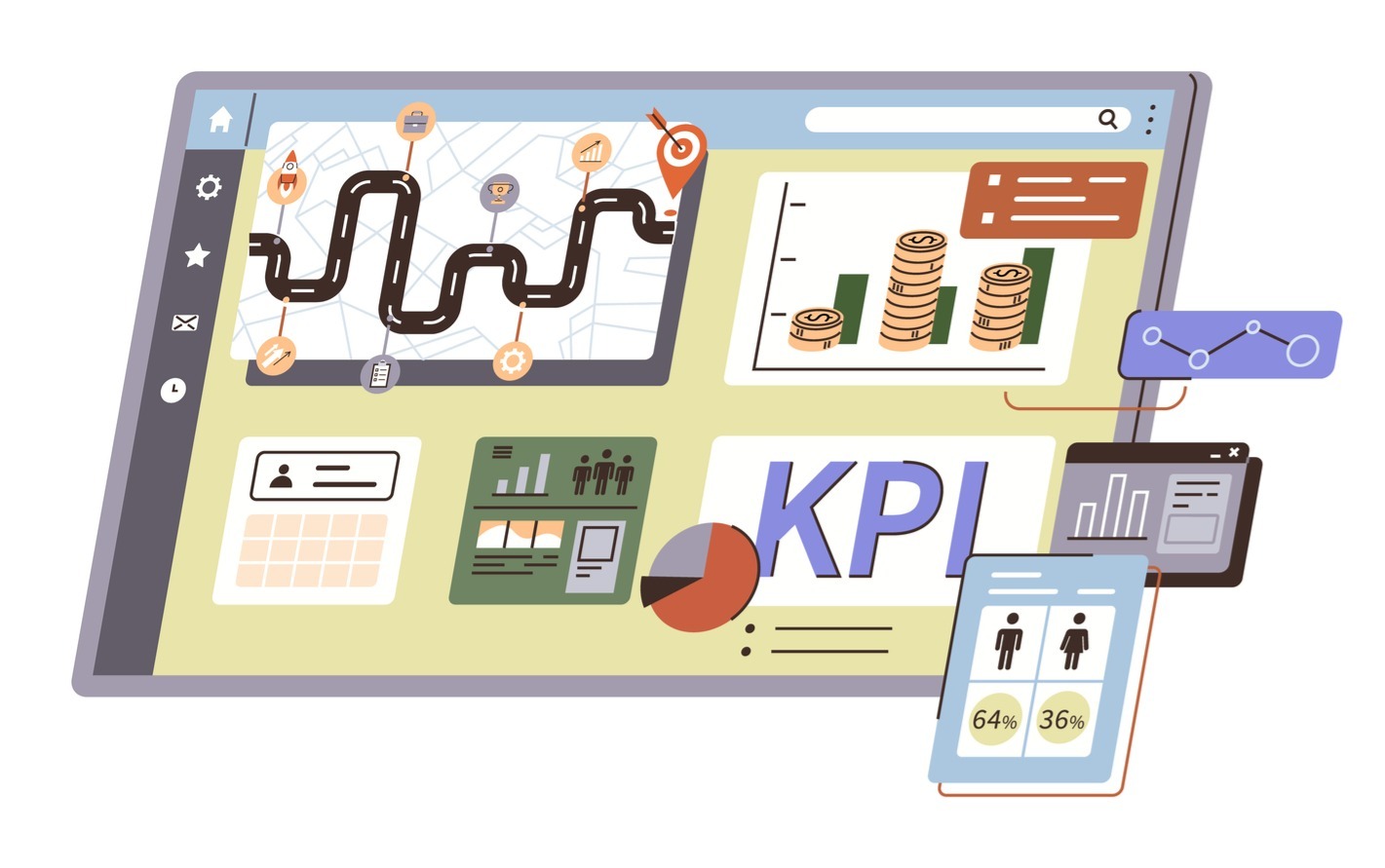
You can create multiple versions of a landing page and direct different paid leads to them at different times, measuring success between various elements. This is known as A/B split testing, and is critical for high-conversion landing pages.
Heatmap analysis is also essential for diagnosing where users disengage. Tools that track scroll depth and click patterns reveal whether visitors are reaching your CTA or abandoning mid-page, giving you precise hypotheses rather than assumptions.
The core principle: CRO is a process, not a one-time coding project. Each test informs the next, building compounding gains over time.
How to Sustain Growth: Key Takeaways
To consistently improve your website conversion rate performance from paid traffic, treat the four steps in this guide as an integrated system rather than isolated tactics. Each element compounds the others; fast pages reinforce message match, focused CTAs amplify testing results, and organic content builds long-term authority that strengthens every paid campaign.
- Protect your Quality Score and CAC by prioritizing message-match between every ad and its landing page.
- Treat technical speed as non-negotiable by investing in page performance before layering on creative or copy optimizations.
- Eliminate user friction by building single-goal landing pages with one clear conversion path.
- Integrate organic content alongside paid pages to build compounding authority over time using a structured conversion funnel, ensuring your converted customers have a reason to stick around once they’ve committed.
The bottom line: paid traffic rewards preparation. Start with the fundamentals, test relentlessly, and let data guide every iteration forward.
If you still aren’t sure where to start, Monkedia can help. Our marketing growth-leads can help you produce paid ads and landing pages that pop, so talk to us today and see the difference that professionals can make.