How to Build a Scalable Paid Media Mix Without Wasting Budget
Stop relying on single-channel traps. Learn how to build a high-performing, multi-channel paid media strategy to scale your brand and maximize ROI.

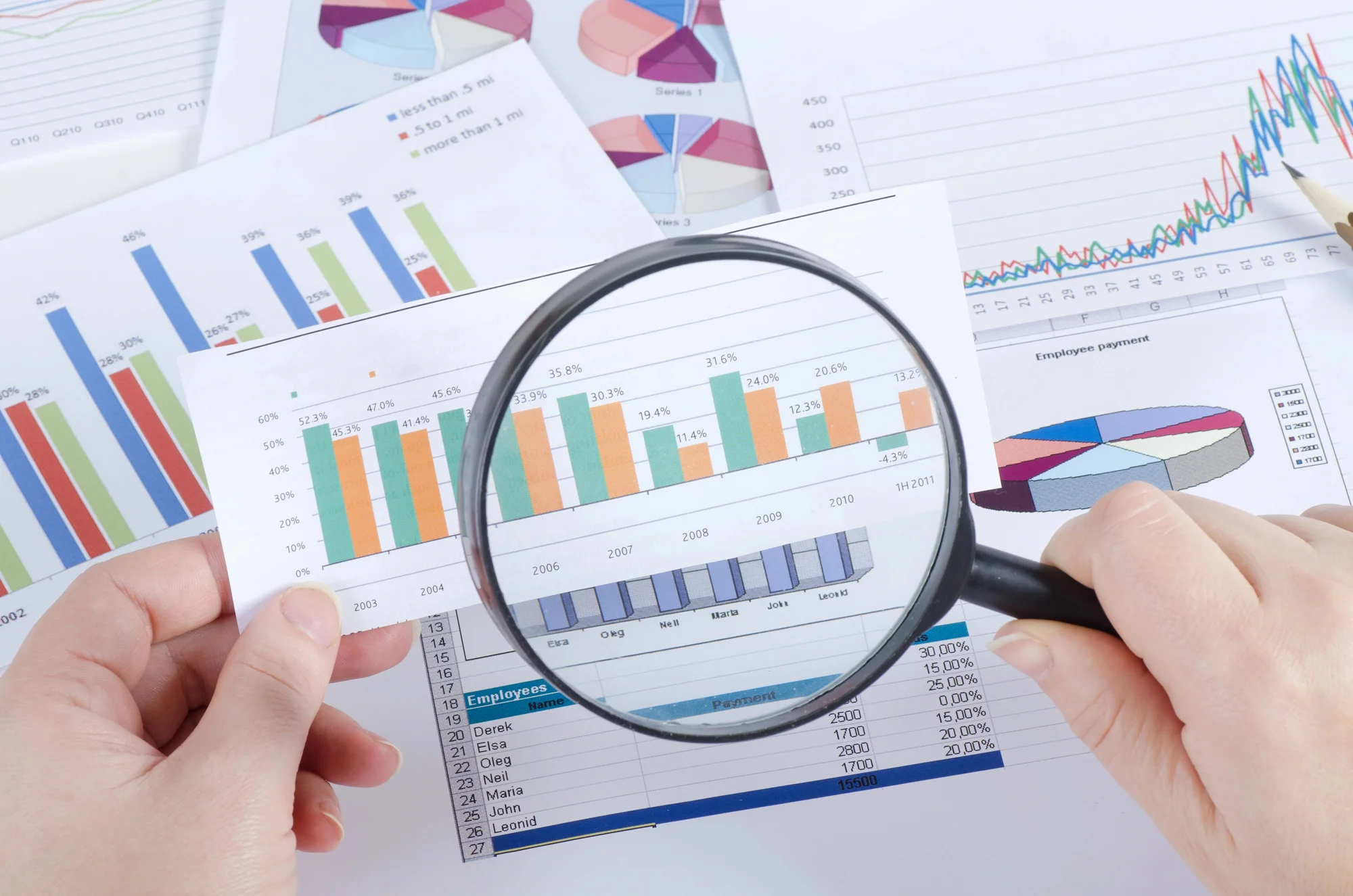
The Single-Channel Trap: Why Your Growth Has Hit a Ceiling
Betting everything on one paid media channel feels smart — until it isn't. What worked brilliantly at $5,000/month can start bleeding margin at $50,000/month, or even outright fail if the market shifts and consumers lose interest.
According to the Salesforce State of Marketing Report, most marketers agree that multi-channel marketing is a critical part of their strategy. However, that doesn’t hold true for paid media strategies, where many businesses are lagging behind by only prioritizing a single platform.
The problem runs deeper than budget efficiency. Rising CPMs on crowded platforms are quietly eroding returns, while modern buyers rarely convert after a single ad touchpoint. Today's purchase decisions involve multiple platforms, devices, and moments, making a true omnichannel marketing strategy less optional and more essential for sustainable growth.
In this article, we’ll teach you everything you need to know about how to structure a smarter paid media mix, including:
- How to use proper budget allocation frameworks, such as the 3-3-3 rule
- Where to use channel diversification, and how you can take wins in one platform and propagate them into new content for other channels
- Why you should implement strong performance tracking that keeps spending accountable
It all starts with a simple rule for diversifying your paid marketing assets.
The 3-3-3 Rule for Strategic Diversification
Once you've recognized the ceiling that single-channel dependency creates, the natural next question is: where do you even start building something better? A practical starting point is the 3-3-3 rule — a structured approach to paid media mix strategy that creates a matched set of marketing channels, without overreaching early.

3 Channels
Especially when you’re first starting out, cap your active channels at three: one Proven (your revenue engine), one Growth (showing early promise), and one Experimental (being stress-tested). This forces prioritization. Spreading budget across six platforms simultaneously means no single channel gets enough data to optimize meaningfully.
3 Audiences
For each channel, target three distinct audience segments. This could mean top-of-funnel prospects, mid-funnel warm leads, and existing customers. Layering audiences this way helps you identify where you’re actually converting leads, and at what cost.
3 Offers
Test three distinct creative angles or offer types simultaneously. Price-driven, value-driven, and problem-aware messaging often perform very differently across segments.
Beyond its ability to elevate a comprehensive marketing strategy, the 3-3-3 rule functions as a risk-mitigation framework, ensuring experimental channels never drain budget before they've demonstrated real ROI.
Of course, these channels shouldn’t exist completely independent of one another. Next, we’ll show you how you can integrate your marketing channels into a single, synergistic strategy.
How Omnichannel Marketing Strategies Connect Paid, Owned, and Earned Content
The 3-3-3 framework gives you a structural foundation, but those paid, owned, and earned channels need to work together, not in parallel silos.
Content distribution drives the ROI for this. A well-produced blog post, video series, or product guide left to organic discovery alone is a wasted asset. Paid media's most underrated function is amplification; in other words, putting owned content in front of targeted audiences who wouldn't otherwise encounter it, accelerating trust-building at a fraction of the cost of pure acquisition campaigns.
The ripple effect extends further when paid social enters the equation. Promoting owned content through paid social channels creates genuine earned media opportunities: shares, saves, and community discussion that paid impressions alone can't manufacture.
This dynamic matters especially when you're building a channel mix for ecommerce, where customer journeys rarely follow a straight line. A prospect might encounter a paid amplified article, follow your brand organically, then convert through retargeting weeks later.
One practical approach is to track content-assisted conversions separately from direct-response campaigns. This reveals which owned assets are pulling weight across the funnel.
Of course, knowing what to amplify and how much budget to allocate across this interconnected system is where most brands struggle. That's precisely where media mix modeling becomes the essential next step.
How to Evaluate Your Paid Media Mix to Scale Without Overspending
Platform-reported Return-On-Ad-Spend (ROAS) is a comfortable number, but it's rarely the full picture. After all, that number doesn’t clarify which channel is performing to what degree, and it can lead to wastage if you fail to distinguish your effective strategies from the rest. Media Mix Modeling (MMM) fixes that, and is essential for any serious media diversification strategy.
MMM shifts the analysis from last-click attribution to statistical modeling across all channels, revealing how each touchpoint actually contributes to revenue (including the channels that don't get "credit" in your dashboard).
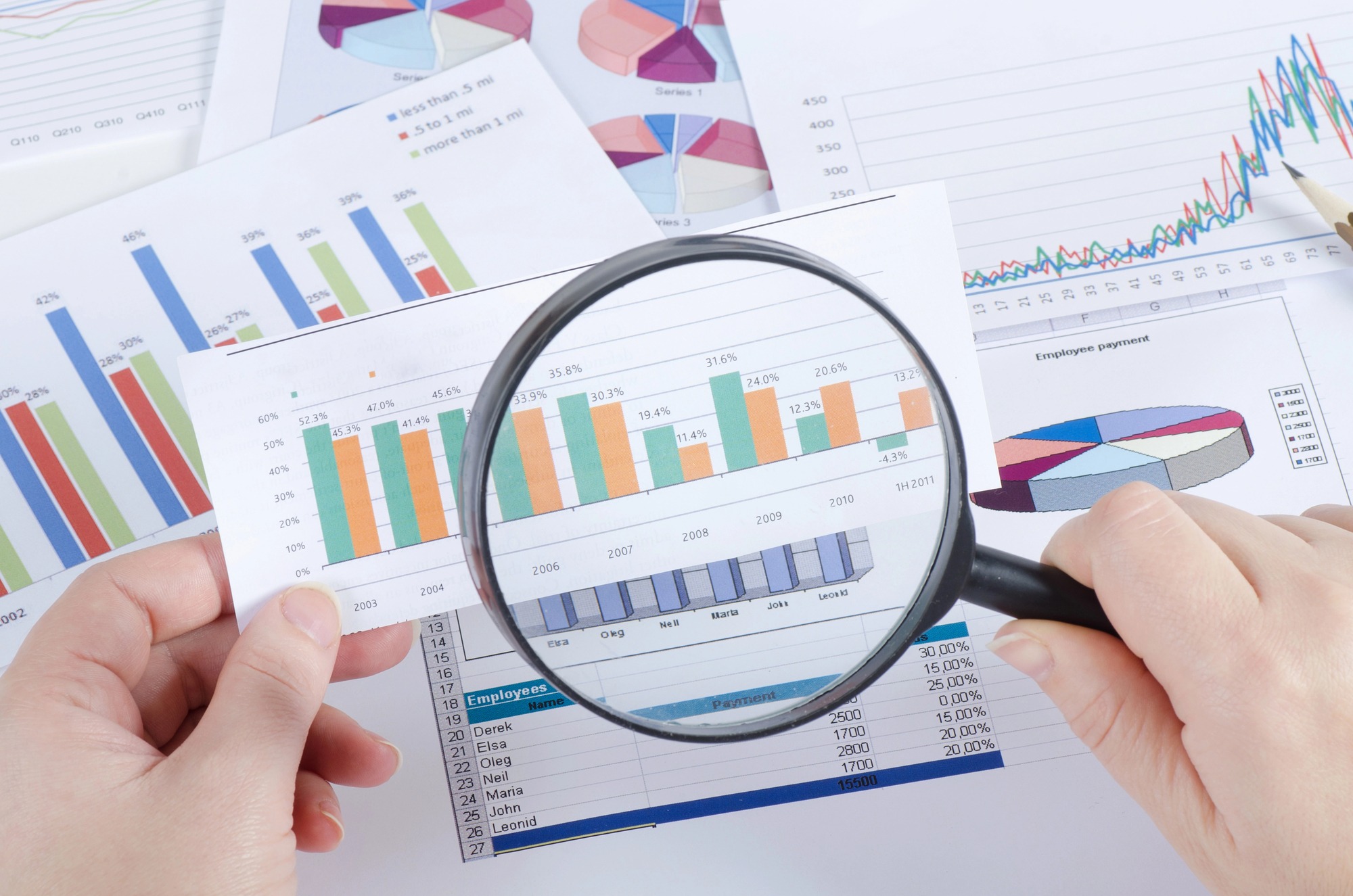
Spotting Diminishing Returns Per Channel
One practical approach is plotting spend against incremental revenue, per channel, on a rolling 30-day basis. What typically happens is that performance follows a curve: returns are strong early, then flatten. Recognizing where that curve bends, before you've already overspent, is the core skill MMM develops.
In our experience with the practice, identifying these inflection points allows you to redeploy your budget into channels that are experiencing the efficient portion of their curve, and then transition away from those channels when they fall off.
Setting Guardrail Metrics Before You Scale
Guardrail metrics act as safety thresholds during rapid growth, to prevent rampant ad spend. Common examples include:
- Maximum CPL threshold per channel
- Minimum ROAS floor before additional budget is approved
- Frequency caps to prevent audience fatigue
These boundaries prevent the mistake of scaling spend into a channel that's already saturated. A channel that looks profitable at $5,000/month can erode margins quickly with a thoughtless escalation to $25,000/month; MMM surfaces that risk before the budget is gone.
Data-driven guardrails help you increment your expenditures at scale through objective statistical analysis. Getting this infrastructure right is what separates brands that grow efficiently from those that discover the loyalty gap too late.
How Omnichannel Ecommerce Builds Customer Loyalty and Future-Proofs Your Brand
Single-channel dependency is one of the most common — and costly — vulnerabilities in paid media. When an algorithm shifts, a platform changes its ad auction rules, or CPMs spike overnight, brands that built everything on one channel have no fallback.
Omnichannel paid media solves this by distributing both risk and reach. Instead of betting everything on one platform's goodwill, you create a coordinated presence across channels (search, social, display, affiliate) where each touchpoint reinforces the others.
This is often called the "surround sound" effect: a prospect sees your brand on paid social, encounters a retargeted display ad, then converts via a branded search. Customers don’t usually convert off of one ad, as any expert knows.
The more touchpoints a customer experiences before converting, the stronger their long-term loyalty tends to be. Familiarity builds trust, and trust drives repeat purchase behavior.
One practical approach is mapping your retargeting logic across platforms so each stage of the funnel gets a distinct message: for example, awareness-focused on social, consideration-focused on display, intent-focused on search. This layered structure improves resilience and creates a unified message at various stages of the buyer’s journey.
That resilience is exactly what a sustainable paid media strategy looks like heading into 2026.
Conclusion: Build a Sustainable Paid Media Mix Strategy for 2026 and Beyond
No single channel will carry your growth indefinitely. The right paid media mix, used alongside a comprehensive marketing strategy, can counteract single-point-of-failure risk with diverse lead capturing tactics.
Content-led paid strategies compound over time. Rather than burning budget on bottom-funnel volume alone, brands that invest in educating audiences upstream typically see lower long-term acquisition costs and stronger retention.
A scalable growth marketing plan isn't built overnight, but professionals can expedite the process to keep up with your business.
Our creatives can help your brand compete with strategic solutions that sell. Contact our full-funnel digital growth experts today, and find out how we can take your brand to the next level.