How to Scale Paid Ads Profitably (Without Destroying ROAS)
Learn how to scale paid ads profitably by protecting ROAS, strengthening signals, and aligning creative, data, and funnel strategy.


Scaling paid ads should drive profitable growth. The real challenge is not increasing spend, but increasing spend while maintaining efficiency and protecting margin. Yet for many brands, higher budgets lead to a familiar outcome: rising costs, declining efficiency, and ROAS that softens faster than anticipated. What worked at $20,000 per month often breaks at $200,000.
Scaling paid ads profitably requires understanding what actually drives returns and recognizing when performance signals call for expansion, optimization, or recalibration. This article outlines how to scale paid ads in a way that protects ROAS while supporting sustainable growth.
Quick Takeaways
- Profitable ad scaling depends on signal quality, not spend alone
- Creative fatigue is one of the most common causes of ROAS decline
- Scaling works best when budgets follow performance patterns, not assumptions
- Full-funnel measurement is critical to protecting long-term returns
- Data and creative must evolve together to support sustainable growth
Why ROAS Often Drops When Paid Ads Scale
ROAS tends to decline during scaling because increased spend changes how platforms optimize. As budgets rise, ad platforms expand delivery beyond the highest-intent audiences and into broader segments. Without preparation, this shift exposes weaknesses in targeting, creative, or funnel alignment.
Another factor is creative saturation. Ads that perform well at lower spend levels often lose effectiveness as frequency increases. Engagement drops, costs rise, and performance deteriorates even though targeting remains unchanged.
Scaling also magnifies inefficiencies. Minor tracking gaps, slow landing pages, or unclear messaging may have limited impact at small budgets. At scale, those same issues quickly erode returns.
Understanding these dynamics is the first step toward scaling paid ads profitably instead of reactively.
Start with Signal Strength, Not Budget Increases
Before increasing spend, it’s essential to evaluate signal quality. Strong signals tell ad platforms who to target and how to optimize delivery. Weak or inconsistent signals make scaling unpredictable and expensive.
Signal strength depends on several factors:
- Accurate conversion tracking
- Clear event prioritization
- Sufficient conversion volume
- Consistent audience behavior
When these elements are in place, platforms can scale delivery more efficiently. When they are not, increased spend often leads to higher costs without proportional returns.
Scaling paid ads profitably starts with ensuring the platform understands what success looks like and can find more of it reliably.
Scale Creative as Aggressively as Budget
One of the biggest mistakes brands make when scaling is treating creative as static. Budget increases demand more creative variety, not more exposure to the same ads.
Creative fatigue sets in quickly at higher spend levels. Audiences see the same messages repeatedly, engagement declines, and ROAS follows. To prevent this, creative must scale alongside budget.
Effective creative scaling includes:
- Multiple messaging angles per campaign
- Variations tailored to different audience segments
- Ongoing testing of formats, visuals, and hooks
- Rapid iteration based on performance data
Creative performance is not subjective at scale. It is measurable, repeatable, and directly tied to profitability. Brands that invest in creative velocity protect ROAS as budgets grow.
Use Controlled Scaling, Not Sudden Spend Jumps
Profitable scaling is rarely linear. Sudden budget increases often disrupt performance by forcing platforms to re-learn delivery patterns. Controlled scaling allows algorithms to adjust gradually while preserving efficiency.
Incremental increases based on performance signals tend to produce more stable results. This approach makes it easier to identify when ROAS begins to soften and whether the cause is creative, targeting, or funnel performance.
Scaling paid ads profitably requires patience and precision. Growth accelerates when spend follows proven performance rather than short-term pressure to increase volume.
Measure Beyond Platform ROAS
Platform-reported ROAS provides directional insight, but it does not reflect total business impact. As spend scales, performance must be evaluated at the business level, not just within ad dashboards.
One of the most important metrics brands should monitor during scaling is MER (Marketing Efficiency Ratio). MER evaluates total revenue in relation to total ad spend. Unlike platform ROAS, which measures only attributable revenue, MER reflects overall marketing efficiency across channels.
When scaling paid ads profitably, MER answers a more important question: Is total revenue growing proportionally to total investment?
This shift in perspective changes how brands make scaling decisions. Platform ROAS may fluctuate as budgets increase. However, if total revenue rises faster than total ad spend, scaling may still be strategically sound.
Additional metrics that support this broader evaluation include:
- Customer acquisition cost trends
- Blended conversion rate across channels
- Repeat purchase behavior
- Lifetime value development
Scaling paid ads profitably requires financial discipline. Brands that focus only on platform metrics often misread performance signals. Brands that evaluate overall efficiency maintain clearer control over profitability as they grow.
Align Paid Ads with the Full Funnel
Paid ads do not operate in isolation. Their effectiveness depends on how well they align with landing pages, follow-up experiences, and conversion paths. Scaling exposes gaps quickly.
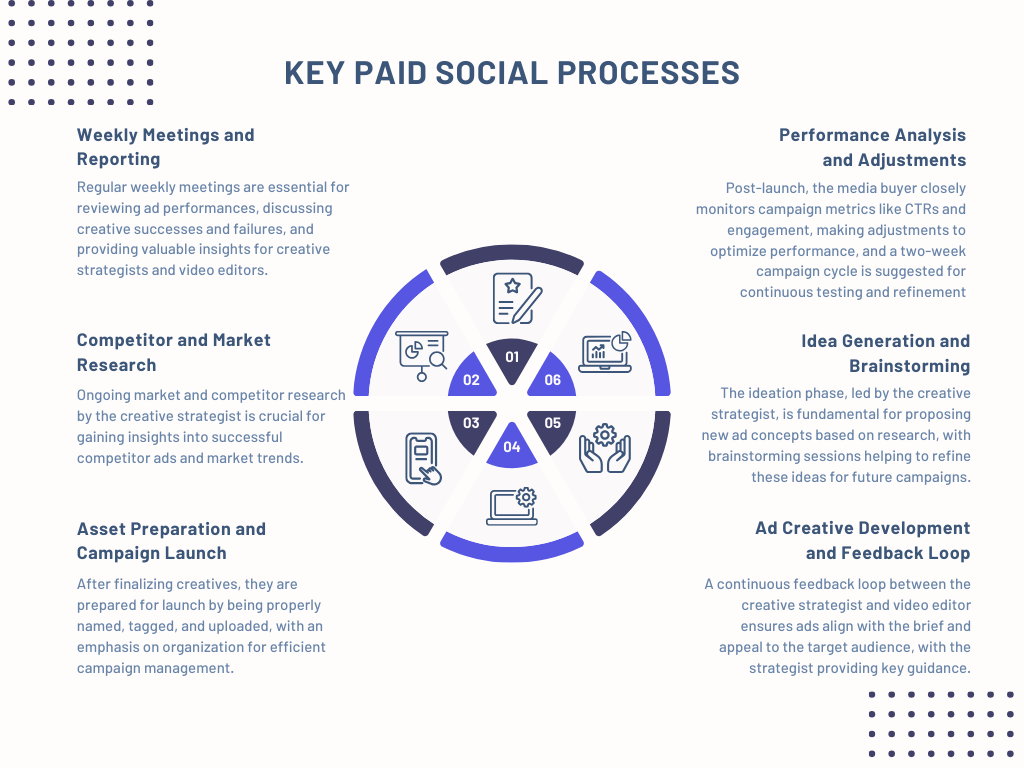
When ads scale faster than the funnel can support, ROAS declines. Messaging may attract attention, but friction later in the journey reduces conversions. Ensuring consistency across touchpoints protects efficiency as volume increases.
This alignment includes:
- Clear value propositions from ad to landing page
- Fast, frictionless conversion experiences
- Follow-up that matches audience intent
- Measurement that tracks progression, not just clicks
Scaling paid ads profitably requires treating paid media as part of a broader growth system.
Know When to Optimize Before Scaling Further
Not every performance dip signals failure. Some indicate the need for optimization before additional scaling. Ignoring these signals often compounds inefficiencies.
Common indicators that optimization should precede scaling include:
- Rising costs with flat conversion volume
- Declining engagement across creative variants
- Increasing frequency without performance gains
- Lower conversion rates at higher spend levels
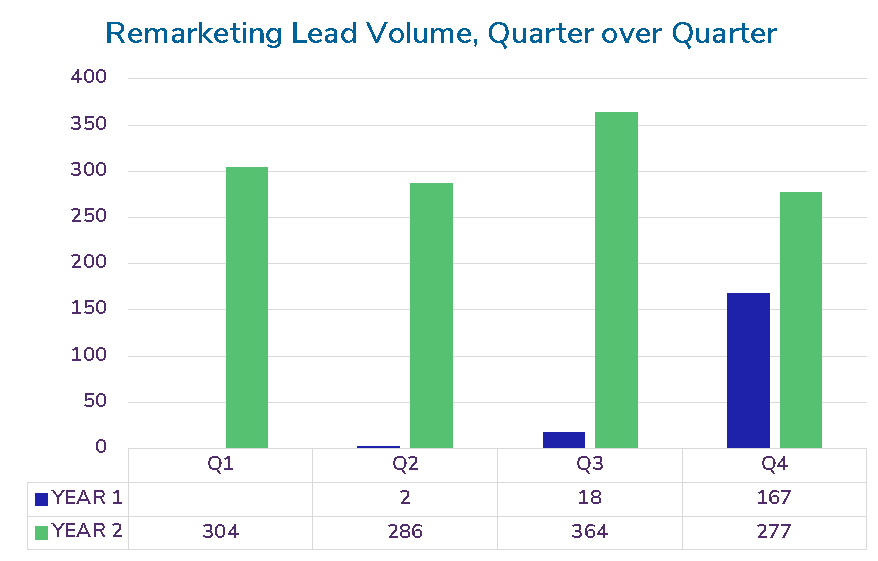
Pausing to optimize does not slow growth. It protects it. Strategic adjustments often restore efficiency and create a stronger foundation for the next phase of scaling.
Scale Paid Ads Profitably Today with Monkedia
Scaling paid ads profitably requires more than increasing budgets. It demands disciplined execution, strong signals, creative agility, and full-funnel measurement. Brands that approach scaling strategically can grow revenue while maintaining efficiency and control.
Monkedia helps brands scale paid media through a balance of data, creative, and predictive insight. By focusing on sustainable growth and measurable outcomes, Monkedia supports teams looking to expand performance without sacrificing ROAS.