Retention Marketing Strategies That Increase LTV
Retention marketing strategies to increase customer lifetime value with proven ecommerce retention tactics that drive long-term growth.


A general rule of thumb is that acquiring a new customer costs five times more than keeping an existing one. However, evidence suggests that the number could be outdated, as the Harvard Business Review has stated that acquiring a new customer can cost up to 25 times more than retaining an existing one, while research published by Business of Apps suggests that customer acquisition costs rose 60% between 2019 and 2024.
In short, acquiring new customers is expensive, but most marketing budgets still skew heavily toward acquisition. This imbalance can be costly.
Lifetime Value (LTV) is one of the most powerful metrics a business can optimize, and retention marketing strategies are the engine that drives it upward.
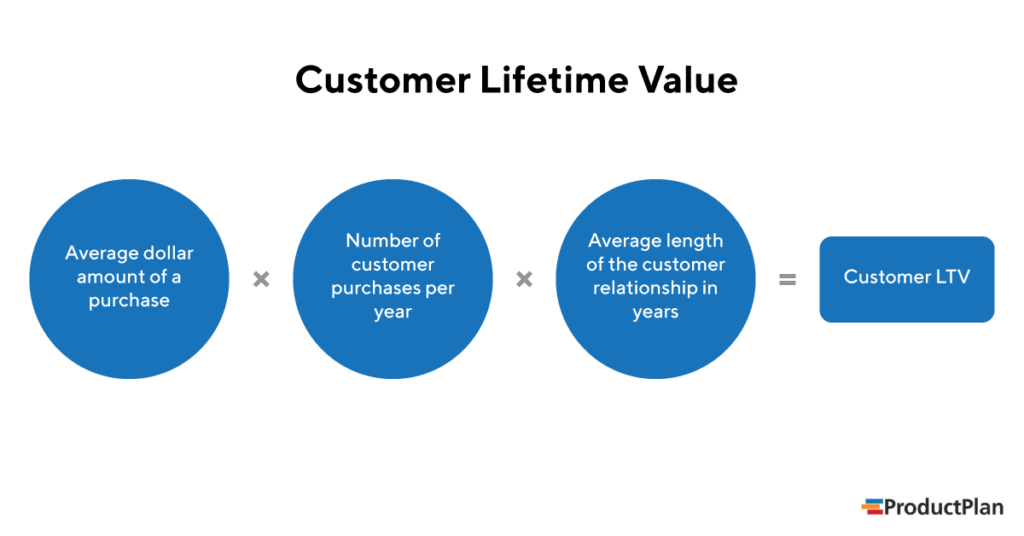
The brands thriving today are building relationships that keep customers coming back and referring others. Retention marketing, done right, transforms one-time transactions into sustained revenue streams, which is exactly what modern businesses need.
Quick Takeaways
- Retention marketing strategies are essential for increasing customer lifetime value and driving sustainable ecommerce growth.
- Personalized, data-driven experiences help turn one-time buyers into loyal, repeat customers.
- Lifecycle marketing across email, SMS, and paid channels keeps customers engaged beyond the first purchase.
- Partnering with experts like Monkedia ensures your retention strategies are optimized for long-term profitability.
What Is Retention Marketing?
Retention marketing involves nurturing existing customers to encourage repeat purchases, deepen brand loyalty, and maximize the total revenue each customer generates over time.
Unlike acquisition campaigns that chase new audiences, retention marketing focuses on the customers you've already earned. It's a more efficient use of budget because returning customers spend more per transaction than first-time buyers and have higher conversion rates.
The goal is simple, as you want to keep customers engaged long enough that their cumulative value outweighs your cost to serve them.
Retention marketing includes various tactics such as loyalty programs, personalized email flows, subscription models, and proactive customer service. Each method targets a different stage of the post-purchase journey, collectively reducing churn, increasing purchase frequency, and building resilient brand relationships.
How Successful Brands Approach Retention Growth
Retention marketing isn't a single tactic, but a system. The most effective brands treat customer retention as a dedicated growth channel, not an afterthought.
Sustained LTV growth comes from consistency across three pillars:
- Personalized communication
- Behavioral data
- Loyalty-driven incentives
When these elements work together, repeat purchase rates climb, and churn drops measurably.
7 Retention Marketing Strategies That Increase Customer Lifetime Value
Understanding the why behind retention is one thing, but putting it into practice is another. The strategies below represent the levers brands pull to keep customers engaged, spending, and loyal long after their first purchase.
- Loyalty programs: Reward repeat purchases with points, tiers, or exclusive perks.
- Personalized email and SMS flows: Deliver relevant messaging based on purchase history.
- Subscription models: Lock in recurring revenue and deepen habitual buying behavior.
- Win-back campaigns: Re-engage lapsed customers before they're gone for good.
- Post-purchase nurture sequences: Build confidence and reduce buyer's remorse immediately after checkout.
- VIP segmentation: Treat high-value customers differently, because they are different.
- Referral programs: Turn loyal buyers into active brand advocates.
Each tactic works best as part of a connected system rather than a standalone effort. Brands that combine multiple retention strategies consistently outperform those relying on a single channel, so it’s worth digging into various ecommerce retention tactics as you develop your strategy.
Key Ecommerce Retention Tactics That Drive Results
The strategies covered earlier work across industries, but ecommerce has its own proven playbook. A few tactics consistently move the needle for online retailers specifically, and increase customer lifetime value.
Post-purchase email sequences are among the highest-ROI tools available. A well-timed follow-up, with order confirmation, shipping update, product tips, then a reorder nudge, keeps your brand present without being pushy.
Subscription and auto-replenishment models take this further by removing friction from repeat purchases entirely, turning one-time buyers into predictable recurring revenue.
Win-back campaigns targeting lapsed customers also deliver strong returns. In practice, a personalized offer sent 60–90 days after inactivity can recover a meaningful segment before they're gone for good.
Knowing which tactics are working and which aren't requires the right metrics, so you’ll need to look at the numbers when developing your strategy.
Measuring Retention Success
Executing the right tactics is only half the equation. Without tracking the right metrics, it's impossible to know what's actually working, or where revenue is quietly leaking.
A few key performance indicators deserve consistent attention:
- Customer Lifetime Value (LTV): The north star metric for any retention program
- Repeat Purchase Rate: What percentage of buyers come back for a second order
- Churn Rate: How many customers you're losing within a given period
- Net Promoter Score (NPS): A reliable proxy for long-term loyalty and word-of-mouth potential
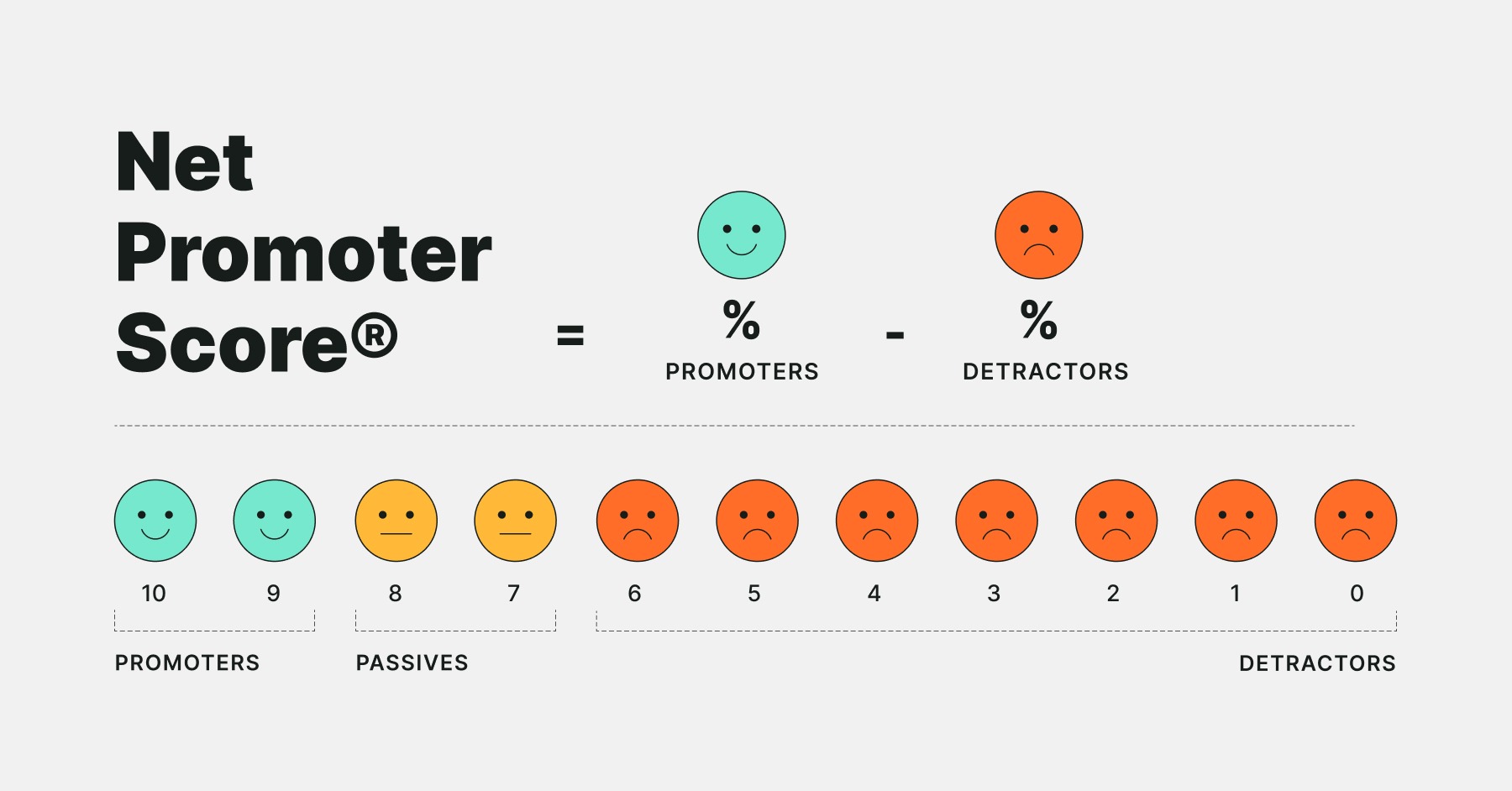
In practice, these metrics rarely move in isolation. A drop in repeat purchase rate often signals a churn problem before the churn numbers catch up. Tracking them together provides a clearer picture and faster warning signals.
According to Kissmetrics, consistent measurement of CLV allows brands to identify their highest-value customer segments and allocate retention spend where it generates the strongest return. That kind of focus separates efficient retention programs from expensive ones.
The goal isn't just to collect data, but to act on it. Brands that translate these numbers into smarter segmentation, better timing, and more relevant messaging are the ones that consistently improve LTV and, therefore, revenue, over time.
Ready to Turn One-Time Buyers Into Loyal Customers?
Retention isn’t just a tactic, but the foundation of sustainable growth. With the right strategy, you can increase customer lifetime value, improve retention rates, and maximize every acquisition dollar.
The brands winning in ecommerce are keeping their customers longer, so they can spend more and refer others. Building meaningful retention requires consistent engagement at every stage of the customer lifecycle, though, not just at the point of risk.
Monkedia helps ecommerce brands build and scale retention marketing strategies using data, AI-driven insights, and full-funnel optimization. From lifecycle campaigns to conversion rate improvements, every initiative is designed to drive measurable, long-term results.
Reach out today and get ready to take your business to the next level.
Frequently Asked Questions
What are the most effective retention marketing strategies?
The most effective retention marketing strategies include email and SMS lifecycle campaigns, personalized experiences, loyalty programs, and retargeting. These tactics keep customers engaged and encourage repeat purchases.
How can I increase customer lifetime value?
To increase customer lifetime value, focus on improving the post-purchase experience, offering personalized recommendations, and building long-term relationships through consistent communication and value-driven offers.
What are ecommerce retention tactics?
Ecommerce retention tactics include abandoned cart emails, subscription models, loyalty rewards, upselling, and remarketing campaigns that target existing customers instead of new ones.
Why is retention marketing important for ecommerce brands?
Retention marketing is critical because it costs less than acquiring new customers and leads to higher profitability. Loyal customers tend to spend more and purchase more frequently over time.