The Real Reason Paid Media Fails to Scale: Neglecting Sustainable Systems to Spend, Spend, Spend
Stop burning cash on broken models. Learn why sustainable unit economics and LTV:CAC ratios are the true keys to scaling your ecommerce growth strategy.


The Economics of Sustainable Scaling for Paid Media
Scaling your paid media before your unit economics are healthy only accelerates the rate at which you burn cash on a broken model. Let’s be clear:
- Before any brand earns the right to scale their ad spend, one benchmark must hold: a minimum 3:1 LTV:CAC (Lifetime Value to Customer Acquisition Cost) ratio.
- B2B SaaS companies also should look for landing page conversion rates of 3–5% before paid media optimization can compound rather than just consume budget. Below these thresholds, adding spend is like pouring water into a leaking bucket.
Broken economics. A common pattern is that brands mistake early traction for scalable demand. They increase ad spend, then CAC climbs, and margins collapse faster than revenue grows. If your math doesn’t improve with volume, you have a gap in your sales funnel.
CRM integration is what closes that gap. Connecting Google Click IDs (GCLIDs) through to closed-won revenue inside platforms like HubSpot or Salesforce lets teams move beyond vanity metrics (clicks, impressions, cost-per-lead) and measure what actually matters: lifetime value. That shift in measurement is the foundation of genuine lifetime value marketing.
Getting the economics right, however, is only effective with a full system to support them. To build that infrastructure, you need four pillars for a sustainable marketing strategy.
The 4 Pillars of Scaling Up Your Marketing Infrastructure
Sustainable paid media growth isn't built on spend alone; it's built on the four interconnected pillars that turn ad budgets into compounding business assets.
Pillar 1: Strategy. Healthy scaling starts with lifetime value marketing — anchoring every media buying decision to long-term LTV rather than first-purchase revenue. When strategy is aligned to what customers are worth over time, the math on acceptable CPAs changes dramatically, and growth targets are far easier to calculate.
Pillar 2: People. A common pattern in stalled accounts is over-indexing on technical media buyers while underinvesting in creative talent. Building a creative-first marketing team means hiring for concept development and storytelling, not just platform certifications.
Pillar 3: Process. As professional experience makes clear, "complexity isn't sophistication if it slows you down." Streamlined automation for lead flow and campaign management gives bidding systems more signal per decision — and removes the human bottlenecks that stall scale.
Pillar 4: Execution. A content-first marketing model treats creative output like a production line: consistent, structured, and high-volume. Execution without a repeatable system produces feast-or-famine creative pipelines.
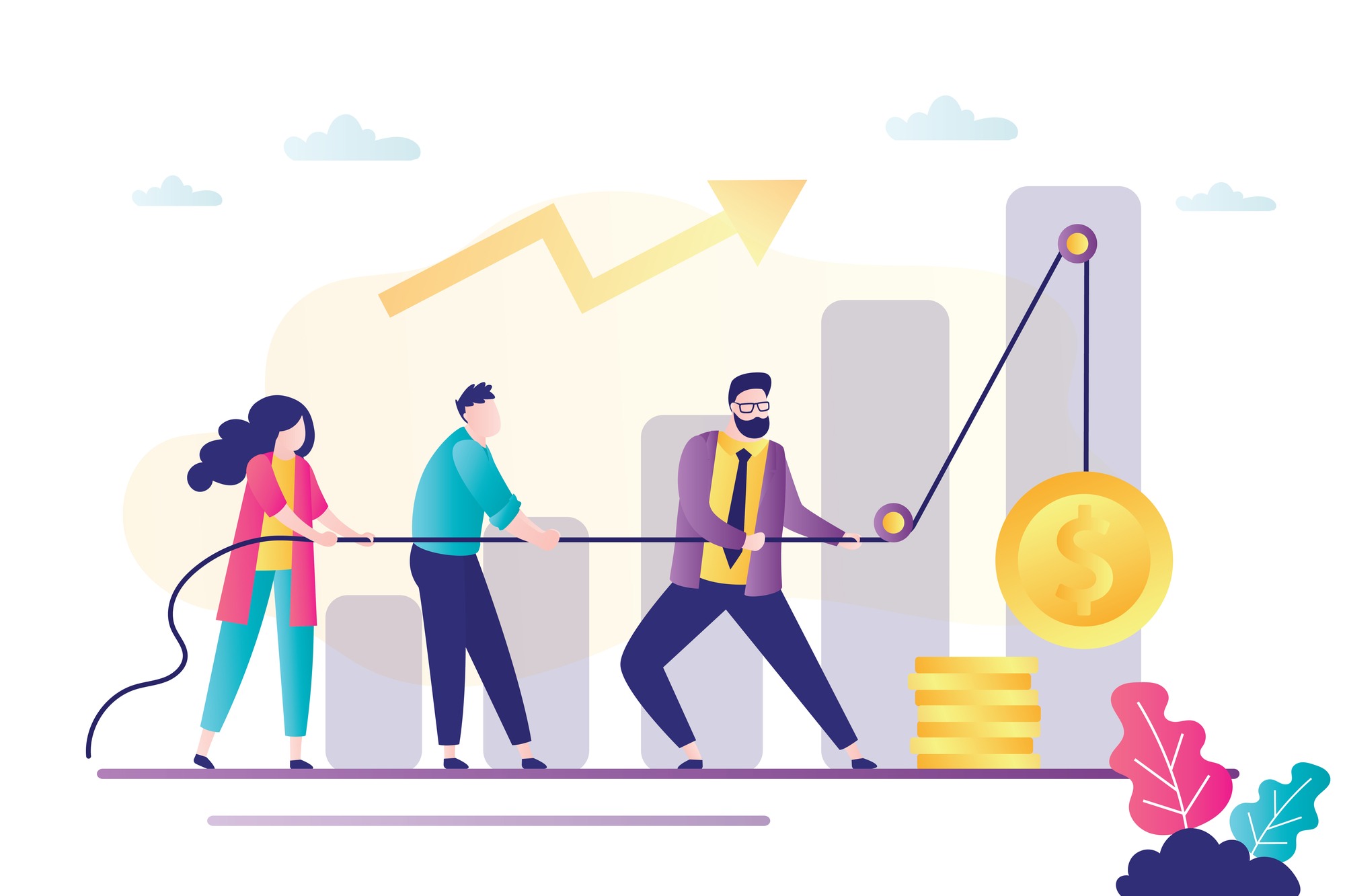
Once these pillars are in place, you need the right creative content to fill that paid media out, and ensure you aren’t wasting your time shouting generic ad slogans into the void.
Why Ad Creative is the New Targeting
Algorithmic targeting has become so sophisticated that it's essentially a commodity — the real differentiator in any ecommerce growth strategy is the creative asset itself.
The 70% Rule: Research shows that ad creative accounts for up to 70% of overall campaign performance; that’s more than audience settings, bidding strategy, or placement combined.
Technical targeting is increasingly automated. Platform AI now optimizes delivery, audience expansion, and bid adjustments with minimal human input. What the algorithm can't generate for you is a compelling hook, a persuasive narrative, or a visual that stops a thumb mid-scroll. Once your competitors are running the same broad-audience campaigns with similar budget structures, creative becomes the only remaining lever that's truly yours to control.
A high-volume creative system is the antidote to ad fatigue. In practice, a single winning ad has a shelf life; audiences see it, tune it out, and performance drops.
The brands that scale treat creative like a consistent production pipeline, not a one-time project. That means continuously testing new hooks, formats, and angles to keep the machine fed. Think of creative assets as fuel: without a steady supply, even the most well-structured marketing engine stalls. Building that system is what separates brands that plateau from those that compound, but sustainable scaling also demands you're not relying on paid spend alone to drive that engine.
Scaling Without Excess Cost: The Organic Offset
Relying exclusively on paid channels is a growth strategy with a built-in expiration date, and the numbers back that up. Some studies show that 75% of performance marketers report experiencing diminishing returns on social media ad spend due to rising costs. A paid-only media buying strategy essentially means renting your audience indefinitely, with no equity to show for it.
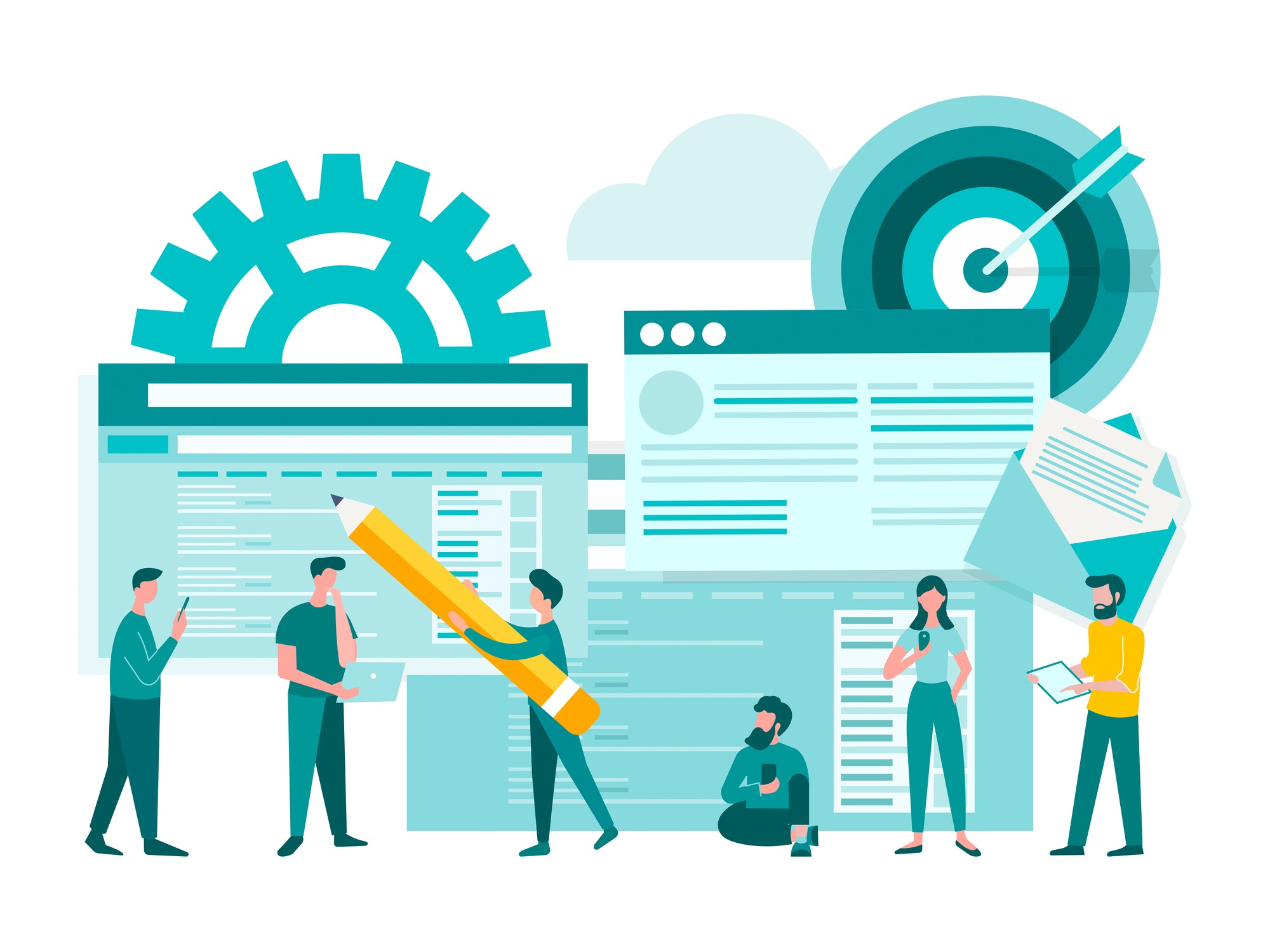
Organic content is the offset that turns rented attention into owned growth. When SEO-driven content captures purchase intent before a prospect ever sees an ad, your blended customer acquisition cost drops. A potential buyer who discovers your brand through a well-ranked article arrives pre-warmed, requiring less paid retargeting to convert.
In practice, the most resilient SMB growth models treat content as a core performance channel, rather than a branding afterthought.
Here's where the efficiency wins of content generation stack up:
- Lower blended CAC as organic traffic offsets paid volume requirements
- Intent capture at the top of funnel through optimized blog, video, and search content
- Reduced ad dependency during platform cost spikes or algorithm shifts
- Compounding returns — unlike paid spend, content assets appreciate over time
Getting this balance right comes down to a handful of concrete decisions, which is exactly what the final checklist addresses.
The Bottom Line: Your Paid Media Scaling Checklist
Sustainable paid media growth is about confirming the right foundations are in place before you start buying more. Use this checklist as a diagnostic before your next budget increase:
- Verify a 3:1 LTV:CAC ratio before touching your budget. If a customer isn't returning at least three times the cost to acquire them, more spend will only amplify the loss, and is better used elsewhere in your funnel.
- Simplify your account structure. Consolidated campaigns give SEO and AI bidding algorithms cleaner data signals to work with. Fragmented ad sets confuse the machine — and confused machines waste money.
- Redirect your effort toward creative and content systems, not technical micro-optimizations. Marketing automation for ecommerce has made the technical layer increasingly commoditized; your creative output is now the real competitive edge.
- Balance paid spend with an organic content cadence. A strong organic foundation protects your margins when paid costs spike. Frequent content generation keeps you insured against algorithm changes with a wide range of trust signals.
In practice, these four levers work as a system, not a checklist you run once. Building this infrastructure consistently is exactly what separates brands that scale from brands that plateau.
Building a Predictable Growth Engine
Scalable marketing systems — not bigger budgets — determine the true ceiling of your growth.
For businesses that need reliable lead generation, a full-funnel creative model is the practical answer. Rather than patching weak conversion rates with more ad dollars, full-funnel marketing systems align messaging, audience targeting, and content assets across every stage, ensuring each dollar works harder (and can get you value without needing to be bailed out by yet more dollars).
The ROI of managed content strategy becomes clearest inside a paid media context. Organic content reduces cost-per-acquisition over time, feeds retargeting pools with warm audiences, and builds brand authority that lowers paid CPCs. In practice, the combination of paid amplification and owned content assets is what separates one-time campaign wins from durable revenue growth.
The shift from buying clicks to building long-term assets is the defining move for brands that scale sustainably. Monkedia can help you make the transition and score big wins for your growing brand, so contact us today to see how the experts in growth marketing can help.