Why High ROAS Can Still Mean Low Profit
High ROAS doesn’t always mean strong profit. Learn why misleading ROAS metrics can hide true ecommerce performance and how brands should evaluate ROAS vs profit.


Return on ad spend (ROAS) is one of the most commonly used metrics in ecommerce advertising. Marketing teams often rely on it to evaluate campaign performance, allocate budget, and measure the effectiveness of paid media channels.
However, ROAS alone does not provide a complete view of business performance. A campaign can produce a strong ROAS while still delivering limited profitability once product costs, fulfillment expenses, and operational overhead are considered.
This disconnect creates a common challenge for ecommerce teams. Marketing dashboards may show strong advertising efficiency while finance teams see shrinking margins.
Understanding the difference between high ROAS and actual profit is essential for brands looking to scale sustainably. Without a clear view of total cost structure and customer value, ROAS can create misleading signals that guide budget decisions in the wrong direction.
Quick Takeaways
- High ROAS does not automatically translate into strong profitability.
- Product costs, shipping, returns, and operational expenses all affect true campaign performance.
- A campaign can appear efficient in ad platforms while still reducing overall margin.
- Evaluating ROAS vs profit ecommerce performance requires a full view of customer acquisition costs and lifetime value.
- Brands that focus only on ROAS risk scaling campaigns that generate revenue but limit long-term profitability.
Why ROAS Can Be a Misleading Metric
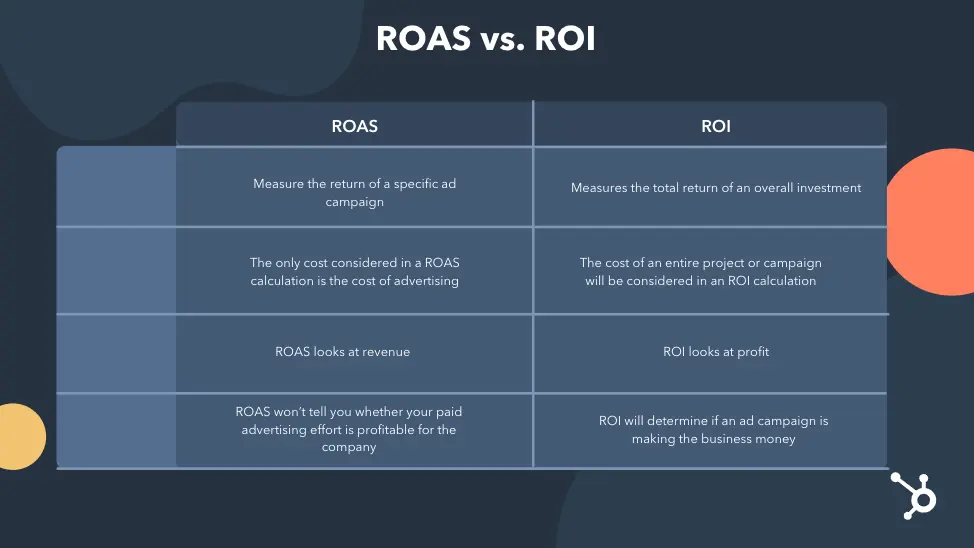
ROAS measures the revenue generated for every dollar spent on advertising. On the surface, this seems like a clear indicator of marketing performance.
For example, a campaign generating a 5:1 ROAS produces five dollars in revenue for every dollar spent on ads. Many marketing teams interpret this as strong performance.
However, ROAS does not account for the full cost structure of ecommerce operations.
Several important factors remain outside the ROAS calculation, including:
- product manufacturing or wholesale cost
- fulfillment and shipping expenses
- platform transaction fees
- customer service costs
- return and refund rates
When these costs are excluded, ROAS can create the illusion of profitability even when margins remain thin.
This is why brands sometimes scale campaigns that appear successful in advertising dashboards but ultimately reduce overall profitability.
Hidden Costs That Reduce Ecommerce Profit
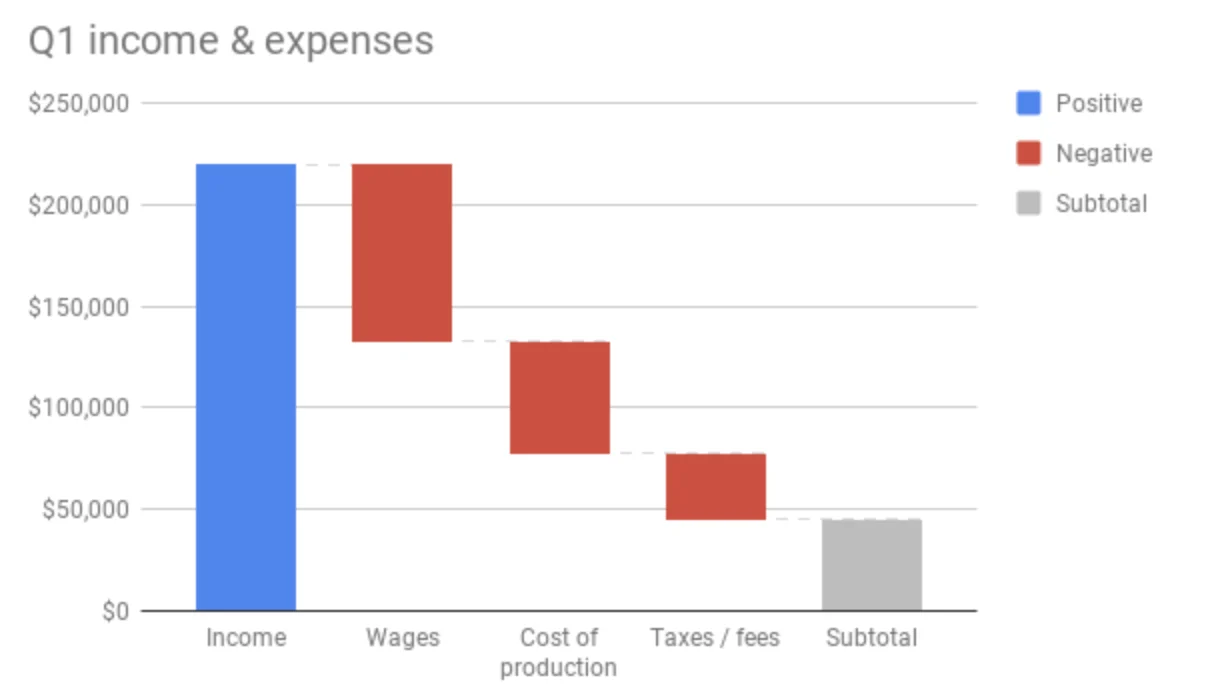
To understand the relationship between high ROAS and low profit, brands must consider the complete economics behind each sale.
Advertising revenue represents only one part of the financial equation.
Product cost and gross margin
Every product carries a cost of goods sold (COGS). If a product sells for $100 but costs $60 to produce or source, only $40 remains before marketing costs are considered.
A campaign generating a 4:1 ROAS may still leave very little profit after product cost is deducted.
Fulfillment and shipping
Shipping, packaging, and warehouse fulfillment can significantly affect margins. These costs increase further when brands offer free shipping or fast delivery.
Even small increases in fulfillment expenses can change the profitability of an otherwise efficient campaign.
Returns and refunds
Return rates are particularly important for ecommerce categories such as apparel, footwear, and consumer electronics.
If a campaign generates a large volume of purchases but a significant portion of those orders are returned, revenue numbers may overstate the true performance of the campaign.
Platform and transaction fees
Payment processing fees, marketplace commissions, and platform charges also reduce margins. These costs often go unnoticed when teams evaluate campaigns purely through advertising dashboards.
When all of these factors combine, a campaign with strong revenue performance may produce far less profit than expected.
ROAS vs Profit: Understanding the Real Performance Signal
Comparing ROAS vs profit ecommerce metrics requires a more comprehensive approach to performance measurement.
Instead of evaluating revenue alone, brands must analyze how advertising spend contributes to overall margin.
Contribution margin analysis
Contribution margin measures how much revenue remains after variable costs are deducted.
This includes costs such as:
- product manufacturing or sourcing
- shipping and fulfillment
- payment processing fees
- advertising spend
If contribution margin remains healthy after these expenses, the campaign supports profitable growth.
If contribution margin shrinks as advertising scales, the campaign may not be sustainable even if ROAS appears strong.
Customer acquisition cost
Another important metric is customer acquisition cost (CAC). CAC measures the total cost required to acquire a new customer.
Brands that focus only on ROAS may overlook situations where CAC increases as campaigns scale.
Monitoring CAC alongside ROAS helps brands understand whether advertising efficiency is improving or deteriorating.
Lifetime value
Customer lifetime value (LTV) also plays an important role in profitability.
Some campaigns may produce low short-term profit but acquire customers who generate repeat purchases over time. In these cases, lower initial margins may still support long-term profitability.
Understanding the relationship between CAC and LTV allows brands to make more informed decisions about advertising investment.
Why High ROAS Campaigns Can Limit Growth
Ironically, campaigns with the highest ROAS are not always the best candidates for scaling.
High ROAS often occurs when campaigns target existing demand. These campaigns capture customers who were already close to purchasing.
While this can produce strong efficiency metrics, it may limit long-term growth because it focuses on a small pool of high-intent buyers.
In contrast, campaigns designed to expand reach or introduce new audiences may initially produce lower ROAS but generate stronger long-term growth.
These campaigns often:
- attract new customer segments
- build brand awareness
- increase future search demand
- expand the overall customer base
When brands focus exclusively on maximizing ROAS, they may underinvest in these growth opportunities.
Balancing efficiency with customer acquisition expansion helps brands create more sustainable growth strategies.
Building a More Accurate Performance Model
Brands looking to avoid misleading ROAS signals must develop a broader performance framework that connects marketing metrics with financial outcomes.
Several practices can help improve visibility into true campaign profitability.
Connect marketing and financial data
Advertising dashboards often operate separately from financial reporting systems. Integrating these data sources allows teams to analyze revenue alongside product costs, shipping expenses, and return rates.
This integration provides a clearer picture of true campaign profitability.
Track contribution margin by campaign
Evaluating campaigns based on contribution margin rather than revenue helps teams identify which initiatives truly support profitable growth.
Campaigns that generate strong revenue but weak margin become easier to identify and adjust.
Analyze new customer acquisition
Separating new customer revenue from returning customer purchases also improves performance evaluation.
Campaigns focused on acquiring new customers often have different profitability dynamics than campaigns targeting existing audiences.
Understanding this difference helps brands balance short-term efficiency with long-term growth.
Understanding Real Paid Media Performance Today with Monkedia
ROAS remains a valuable metric for evaluating advertising efficiency, but it should never be the only performance indicator guiding marketing decisions.
Brands that rely solely on ROAS may scale campaigns that produce revenue without supporting sustainable profit. Hidden operational costs, fulfillment expenses, and return rates can significantly change the true economics of paid media performance.
A more effective approach evaluates ROAS alongside contribution margin, customer acquisition cost, and lifetime value. This broader perspective allows marketing teams to understand how advertising contributes to both revenue growth and long-term profitability.
Monkedia helps brands scale paid media through a balance of data, creative, and predictive insight. By focusing on sustainable growth and measurable outcomes, Monkedia supports teams looking to expand performance while protecting long-term profitability.