Why Most Ad Messaging Fails to Convert
Uncover common ad messaging fails and learn how clear messaging, not targeting, drives better results.


Spending money on ads that nobody clicks, or worse, clicks that never convert, is one of the most frustrating experiences in digital marketing. You've dialed in your targeting, set a reasonable budget, and launched a campaign that looks polished. Yet the results are underwhelming. Sound familiar?
The uncomfortable truth is that ad messaging fails are far more common than most marketers admit. According to research on why ads don't convert, the problem is rarely about who sees your ad. It's almost always about what your ad actually says, and how it makes people feel.
Weak messaging actively destroys trust and burns budget simultaneously. Audiences today are sophisticated. They scroll past generic promises and hollow calls-to-action without a second thought.
This article breaks down the reasons ad messaging falls flat, the psychological mechanics behind what actually drives action, and the practical fixes that consistently move conversion numbers in the right direction. Before diving into tactics, though, it's worth understanding why the most common diagnosis is usually the wrong place to look.
Quick Takeaways
- Most ad messaging fails due to a lack of clarity, not poor targeting
- Messaging vs targeting matters, as targeting finds audiences, messaging drives action
- High-growth brands prioritize creative iteration over constant audience tweaks
- Small messaging changes can significantly improve CTR, CPA, and overall performance
The Real Reason Ad Messaging Fails (It's Not Targeting)
Most advertisers instinctively blame their audience settings when campaigns underperform. But targeting is rarely the root cause. The message itself is usually what's broken.
Think about it this way: reaching the right person with the wrong message is no better than reaching the wrong person entirely. A common pattern is that ads fail not because they found the wrong audience, but because they gave that audience no compelling reason to act.
What typically goes wrong falls into a few familiar categories:
- Vague value propositions that don't differentiate the offer
- Feature-focused copy that speaks to the product rather than the problem it solves
- Mismatched intent, as the message doesn't align with where the buyer is in their decision process
- Weak or absent calls to action that leave users unsure of the next step
According to Martech, a disconnect between the ad and the landing page experience is one of the most consistent conversion killers, and it’s a messaging problem, not a targeting one.
The most expensive mistake in paid advertising is driving qualified traffic to a message that doesn't appeal to them. Understanding why messaging falls flat is the first step, but the fix starts with knowing what "clear" actually looks like in practice.
What "Clear" Ad Messaging Actually Means
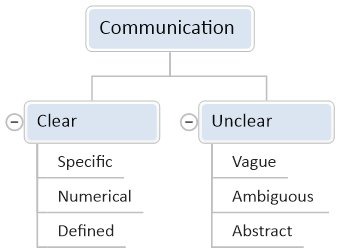
"Clear" is one of the most misunderstood words in advertising. Most marketers interpret it as simple, short sentences, minimal text, and one image, but clarity isn't about brevity. It's about instant relevance: the viewer sees your ad and immediately understands what you're offering, why it matters to them, and what to do next.
Think of it as answering three questions in about three seconds:
- What is this? Your product or service, stated plainly
- Why should I care? The specific benefit that speaks to their situation
- What happens next? A call to action that removes friction
In practice, ads that feel "clean" often fail because they sacrifice context for aesthetics. A stunning visual with a vague tagline leaves the viewer doing mental work, and most won't bother. Clarity means the message does the heavy lifting, so the audience doesn't have to.
The Most Common Ad Copy Mistakes in Ecommerce
Understanding what "clear" means is one thing. Recognizing where copy actually breaks down in practice is another. Across ecommerce campaigns, a handful of mistakes appear with striking consistency, and they're costing brands conversions they should be winning.
Leading with features instead of outcomes is the most pervasive error. A product description in ad copy is not a value proposition. Shoppers don't buy specifications; they buy results, feelings, and solutions.
Misaligned messaging at the landing page level is equally damaging. When an ad promises one thing, and the page delivers something different, trust collapses instantly. That friction rarely gets attributed to copy, but it should be.
Other patterns that consistently undermine performance include:
- Vague calls-to-action ("Learn More" instead of "Get 20% Off Today")
- Overloaded headlines trying to say everything at once
- No urgency or specificity to motivate action now
- Ad copy that tries to appeal to everyone typically resonates with no one — specificity is what transforms a browser into a buyer.
Fixing these mistakes matters. But it's worth noting that even great creative has limits when viewed in isolation.
Messaging vs Targeting: Why Creative Is the Lever That Scales
Marketers who hit a conversion wall often respond the same way: they tighten their audience targeting. The targeting gets more sophisticated, but the numbers don't move. That's because the problem was never the audience.
Creative is the actual conversion lever. Targeting determines who sees your ad. Messaging determines whether they act on it. No amount of audience precision compensates for copy that fails to communicate value clearly.
In practice, this distinction matters enormously at scale. Targeting can be optimized to a ceiling, as there are only so many refinements available before you're shrinking your reach without gaining relevance. Messaging, on the other hand, has virtually unlimited room to improve. A single copy change can shift click-through rates and downstream conversions across the same audience you've already been paying to reach.
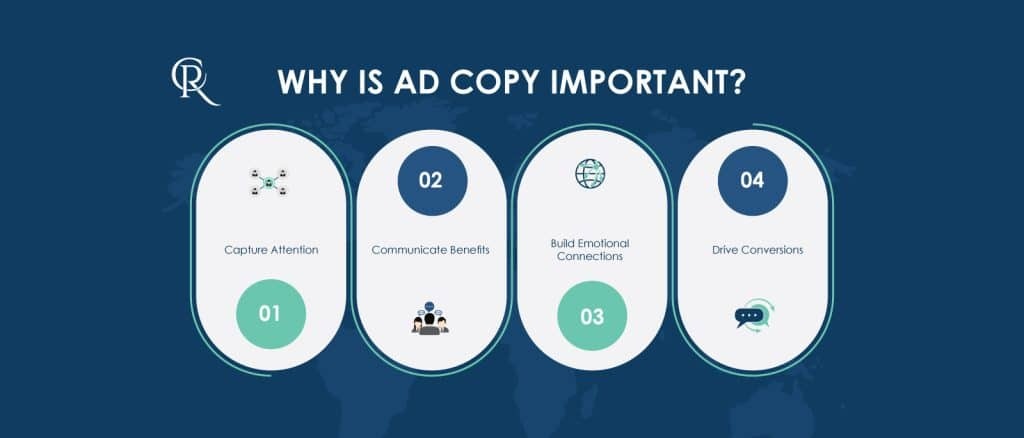
Ad creative is the one variable that compounds, as better messaging raises the baseline for every dollar you spend.
How to Fix Ad Messaging That Fails to Convert
Diagnosing broken messaging is only useful if you know what to do next. The fix isn't always a complete rewrite, as sometimes it's a sharper focus on what's already working.
Start with the offer, not the words. Weak copy is often a symptom of an unclear value proposition. Before touching a headline, ask whether the underlying offer is genuinely compelling. If the answer is uncertain, no amount of clever writing will close the gap.
From there, focus on three practical adjustments:
- Match the message to the moment. Cold traffic needs context and credibility. Warm audiences need urgency and specificity. The same copy rarely works for both.
- Lead with the customer's problem, not your product. Ads that open with a pain point consistently outperform those that open with a feature list.
- Test one variable at a time. Changing the headline, image, and CTA simultaneously makes it impossible to know what actually moved the needle.
Tracking matters too. Incomplete conversion data can make effective messaging look like it's underperforming.
The best-performing ads rarely happen by accident. They're the result of deliberate iteration. High-growth brands have turned this process into a repeatable system, and that's exactly what separates them from the competition.
Case for Better Messaging: What High-Growth Brands Do Differently
High-growth brands don't necessarily have bigger budgets or smarter targeting; they simply communicate value more clearly and consistently than their competitors. That distinction matters more than most marketers acknowledge.
If your ads are driving traffic but not conversions, the problem isn’t your audience; it’s your message. Monkedia helps brands turn unclear messaging into high-performing creative that converts across the full funnel. Contact us to learn more.
FAQ: Why Most Ad Messaging Fails to Convert
Why does ad messaging fail to convert?
Ad messaging fails when it lacks clarity, relevance, or a compelling reason to act. Most often, the issue is that the message doesn’t clearly communicate value or connect to the audience’s needs.
What is the difference between messaging vs targeting?
Targeting determines who sees your ad, while messaging determines whether they take action. Even perfectly targeted ads won’t convert if the message is weak, vague, or misaligned with the audience’s intent.
What are the most common ad copy mistakes in ecommerce?
Some of the most common mistakes include focusing on product features instead of customer outcomes, using vague or generic language, or trying to say too much in a single ad.
Should I fix messaging or targeting first?
Start with messaging. Improving your message typically has a bigger and faster impact on performance than refining targeting. Once messaging is strong, targeting optimizations become more effective.