Why ROAS Plateaus at Scale (And How DTC Brands Fix It)
Why does ROAS plateau as ad spend increases? Learn why ROAS plateaus in ecommerce and how DTC brands scale ads without losing efficiency.


At some point, nearly every DTC brand hits it. ROAS that once felt predictable begins to flatten. You increase budget expecting proportional growth, but efficiency softens. Costs rise faster than revenue.
This is when brands start asking why ROAS plateaus and whether scaling ads without losing ROAS is realistic.
ROAS plateaus are structural outcomes of scaling. What works at moderate spend levels exposes its limits at higher budgets. Audience saturation, creative fatigue, weak signal architecture, and inefficient account structure become more visible as spend increases.
A ROAS plateau means your system has reached its efficiency ceiling.
Breaking through requires more than budget adjustments. It requires stronger creative velocity, cleaner signals, and measurement aligned with business-level performance.
Quick Takeaways
- ROAS plateaus at scale when audience expansion outpaces creative strength, signal clarity, and account structure.
- Creative velocity and signal architecture determine whether scaling ads without losing ROAS is sustainable.
- A temporary dip differs from a true ROAS plateau, which reflects a structural efficiency ceiling.
- Blended metrics like MER provide clearer business-level insight than platform ROAS alone.
Why ROAS Plateaus at Scale
Most ROAS plateaus are not caused by sudden performance failure. They emerge gradually as spend increases and structural limitations become more visible. When brands ask why ROAS plateaus in ecommerce, the answer typically lies in four predictable pressure points.
1. Audience Saturation and Expansion
As budgets grow, ad platforms expand delivery beyond high-intent users. Campaigns that once targeted concentrated pockets of demand begin reaching broader segments. Conversion rates soften, acquisition costs rise, and efficiency compresses.
At moderate spend levels, performance benefits from density. The algorithm repeatedly finds users most likely to convert. At higher spend levels, that density thins. Without new creative angles or expanded demand generation, scale forces exposure to lower-intent audiences.
This shift does not mean targeting is broken. It means the available pool of high-probability buyers has limits. Scaling ads without losing ROAS requires either increasing demand or improving conversion leverage within broader audiences.
2. Creative Fatigue Accelerates at Higher Spend
Creative that performs well at $25,000 per month may fail at $250,000. Increased frequency exposes creative saturation quickly. Engagement declines. Click-through rates drop. CPMs climb as relevance decreases.
At scale, creative is no longer a variable. It is infrastructure.
Many ROAS plateau ecommerce scenarios trace back to insufficient creative velocity. Brands increase budget without increasing messaging diversity. The same value proposition, same hook, and same visuals are pushed harder instead of iterated.
Higher spend demands higher creative volume. Without structured testing systems, creative fatigue compounds faster than optimization can correct it.
3. Signal Dilution Weakens Optimization
Ad platforms rely on strong signals to optimize effectively. As campaigns scale, signal quality becomes more critical.
Common signal limitations include:
- Inconsistent event tracking
- Low daily conversion volume per campaign
- Over-segmented account structures
- Weak post-click funnel performance
When signal clarity declines, algorithms struggle to prioritize delivery. Scaling amplifies this weakness. What once produced stable optimization becomes inconsistent under higher volume.
Brands that successfully scale ads without losing ROAS typically strengthen signal architecture before expanding budget.
4. Account Architecture Limits Efficiency
Campaign structure often works at smaller budgets because inefficiencies remain contained. As spend increases, fragmented campaigns, duplicated audiences, and inconsistent budget allocation begin competing internally.
Instead of fluid budget deployment, accounts become rigid. Instead of consolidated data, learning fragments across micro-tests.
A ROAS plateau ecommerce brands experience is frequently structural, not tactical. Without streamlined architecture designed for scale, performance stabilizes even when opportunity remains.
The Difference Between a Temporary Dip and a True ROAS Plateau
Not every decline in ROAS signals a structural issue. Performance naturally fluctuates as CPMs shift, creative cycles rotate, and algorithms adjust.
A temporary dip reflects volatility. A true ROAS plateau reflects a ceiling.
Temporary dips often show short-term cost increases or isolated creative fatigue while blended revenue remains stable. Performance typically recovers after optimization.
A true plateau looks different. Efficiency stabilizes at a lower level despite incremental changes. Increasing spend produces diminishing returns, and additional budget no longer generates proportional revenue.
This is where measurement discipline matters.
Platform ROAS offers directional insight, but it does not reflect total business impact. As budgets scale, brands must evaluate business-level efficiency.
MER (Marketing Efficiency Ratio) measures total revenue divided by total ad spend. It provides a clearer view of overall marketing performance than platform attribution alone.
A true plateau occurs when:
- MER flattens despite increased investment
- Customer acquisition cost rises without LTV improvement
- Incremental spend fails to generate incremental revenue
Scaling ads without losing ROAS requires evaluating blended performance rather than reacting to isolated dashboard metrics.
How DTC Brands Fix a ROAS Plateau
Breaking through a ROAS plateau requires more than tactical adjustments. It requires reinforcing the systems that support scale. The brands that regain efficiency do not look for quick wins. They rebuild for expansion.
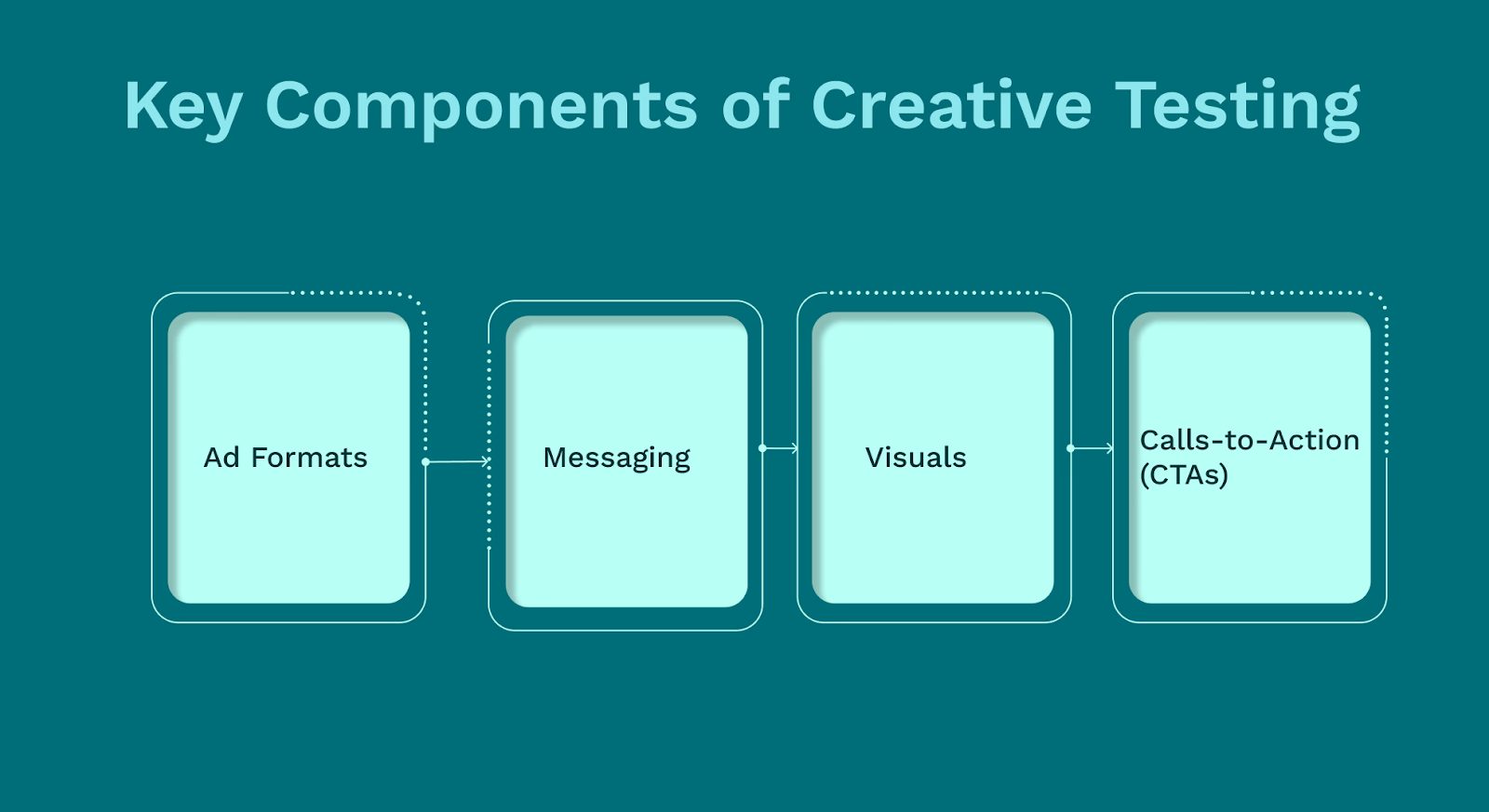
1. Expand Creative Volume Before Expanding Budget
When ROAS plateaus at scale, creative velocity is often the limiting factor.
Higher spend demands broader messaging. What resonates with a narrow, high-intent audience may not convert a colder, expanded audience pool. Increasing budget without increasing creative diversity accelerates fatigue and compresses efficiency.
Brands that fix a ROAS plateau prioritize:
- Multiple messaging angles tied to different customer motivations
- Iterative testing of hooks, formats, and offers
- Structured creative experimentation rather than ad hoc swaps
- Performance-informed iteration cycles
Creative must scale proportionally with spend. Without it, audience expansion outpaces persuasion power.
2. Strengthen Signal Architecture
Signal quality determines how efficiently platforms can optimize. As budgets grow, weak signals become expensive.
Fixing a ROAS plateau often involves tightening:
- Event tracking consistency
- Conversion prioritization frameworks
- Funnel conversion clarity
- Campaign consolidation to increase learning density
Stronger signals allow platforms to find higher-quality users within broader audiences. When signal clarity improves, scaling ads without losing ROAS becomes more achievable because optimization is driven by reliable data.
3. Optimize for Blended Efficiency, Not Dashboard ROAS
As discussed earlier, platform ROAS does not represent total performance.
Brands that break through efficiency ceilings shift focus to blended metrics such as MER. They evaluate total revenue against total ad spend and assess whether incremental investment supports incremental business growth.
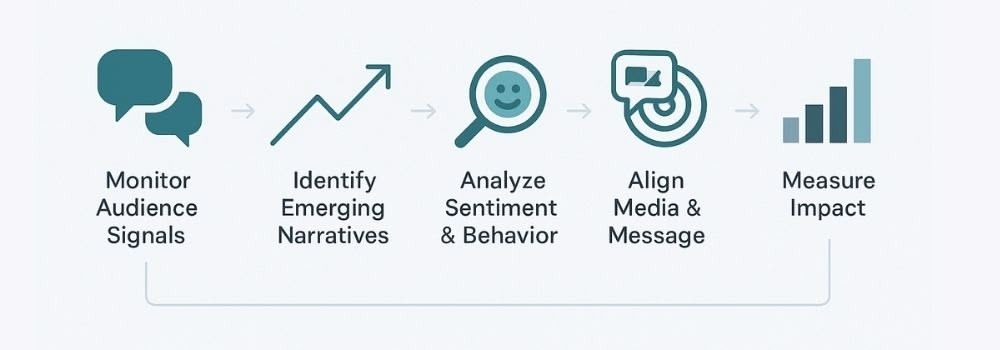
This shift prevents overreaction to channel-level volatility and supports disciplined expansion.
When blended efficiency remains stable, short-term fluctuations within a platform may be acceptable. When blended efficiency declines, structural adjustments are required.
4. Rebuild Campaign Structure for Scale
Many ROAS plateau ecommerce scenarios stem from structural friction within the account.
Common structural improvements include:
- Consolidating overlapping audiences
- Allowing budget flexibility across high-performing segments
- Creating clearer testing lanes
- Reducing unnecessary fragmentation
At scale, efficiency depends on architecture. Clean, consolidated structures create stronger data pools and more fluid budget deployment.
Scaling ads without losing ROAS requires systems designed for higher volume. Structure determines how efficiently dollars convert into revenue.
Scaling Ads Without Losing ROAS Requires Systems, Not Hacks
A ROAS plateau does not signal the end of growth potential. It signals that the current system has reached its capacity.
Short-term tactics may temporarily improve performance, but sustainable scale depends on creative infrastructure, signal clarity, structural alignment, and disciplined measurement.
Brands that treat paid media as a system break through efficiency ceilings. Brands that treat it as a series of isolated campaigns tend to stall.
Scaling ads without losing ROAS is possible when creative, data, architecture, and business-level measurement evolve together.
Break Through Your ROAS Plateau Today with Monkedia
ROAS plateaus are a systems problem.
When brands scale without reinforcing creative output, signal strength, and structural efficiency, performance stabilizes. Audience expansion outpaces optimization maturity, and efficiency compresses.
Brands that break through do not rely on short-term tactics. They rebuild for scale. They expand creative before expanding budget. They strengthen data infrastructure. They measure blended efficiency and align paid media with full-funnel performance.
Scaling ads without losing ROAS requires discipline and structural alignment.
Monkedia helps brands scale paid media through a balance of data, creative, and predictive insight. By focusing on sustainable growth and measurable outcomes, Monkedia supports teams looking to expand performance without sacrificing ROAS.